You’re scrolling through your phone late at night, replying to messages, when someone suddenly texts: “sos pls”. Instantly, your heart skips a beat. Are they joking? Are they serious? You’ve seen SOS everywhere movies, memes, captions, comments, even sarcastic tweets but you might still pause and think, what does sos stand for, exactly?
Is it just slang, or does it mean something deeper? The truth is, SOS has a fascinating history and a very modern online life too. Let’s break it down clearly, simply, and in a way that actually makes sense.
Quick Answer:
SOS stands for a universal distress signal used to ask for urgent help.
What Does SOS Stand For? (Plain-English Meaning)
SOS does not officially stand for specific words.
This surprises a lot of people.
Many assume it means:
- “save our souls”
- “save our ship”
- “send help now”
But historically, SOS was chosen because of its simple signal pattern, not because of words.
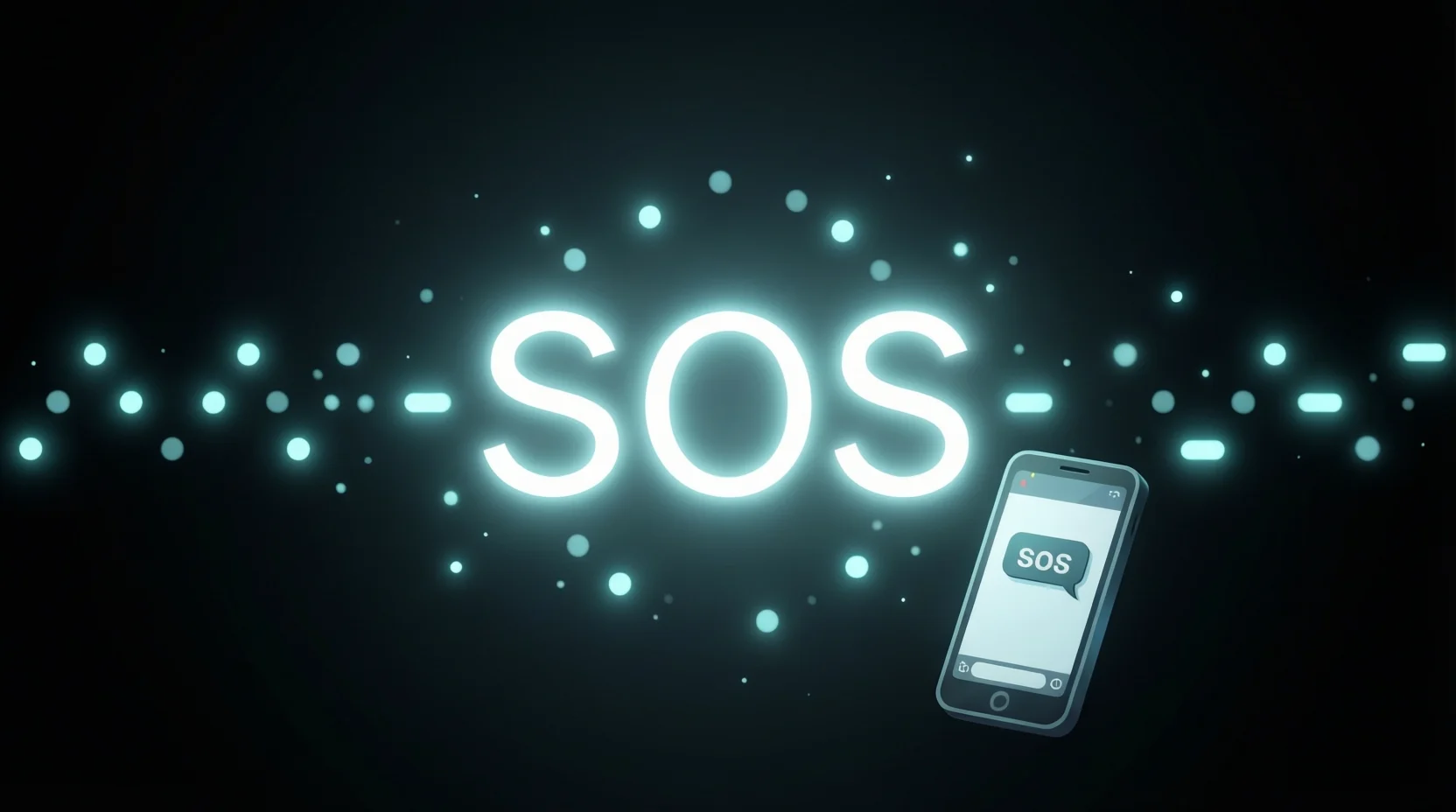
In Morse code:
- S = · · ·
- O = — — —
- S = · · ·
This pattern was easy to recognize, even in bad conditions.
Why People Use SOS Today
Over time, people gave it meaning through usage. Today, SOS simply means:
- “i need help”
- “this is urgent”
- “i’m stuck”
- “please respond fast”
Example sentence:
“sos i locked myself out of my apartment 😭”
Bold summary:
SOS is a universal signal for urgent help, now widely used in texting and online chats.
Where Is SOS Commonly Used?
SOS started as an emergency signal, but today it shows up everywhere online.
Common places you’ll see it:
- texting and group chats
- social media captions
- instagram stories
- comments and replies
- gaming chats
- memes and jokes
- emails (casual ones)
Tone of SOS
- originally: very serious
- now: casual, informal, or dramatic, depending on context
In real emergencies, SOS is still serious. Online, it’s often playful or exaggerated.
Realistic Conversation Examples (Modern Chat Style)
Here are natural, lowercase examples that reflect real online chats:
- “sos my phone is at 2%”
- “sos i forgot my presentation”
- “anyone awake? sos”
- “sos this math problem makes no sense”
- “sos send coffee”
- “i need fashion advice sos”
- “sos the game is crashing again”
- “group chat sos i messed up”
- “sos pls explain this”
These show how SOS fits modern texting culture.
When to Use SOS — and When Not To
Because SOS carries urgency, context matters.
Do Use SOS When:
- you need fast attention
- you’re stuck or stressed
- the situation feels urgent (even casually)
- chatting with friends or peers
Don’t Use SOS When:
- writing formal emails
- contacting professionals
- discussing non-urgent topics
- joking in serious emergency spaces
Comparison Table
| context | example phrase | why it works / doesn’t |
|---|---|---|
| casual chat | “sos i need help rn” | clear urgency |
| emergency | “sos please call for help” | appropriate use |
| work email | “sos about deadline” | too informal |
| joke context | “sos send memes” | playful but clear |
Common Meanings People Think SOS Has (But Don’t)
These are popular myths, not official meanings:
- save our souls – emotional but unofficial
- save our ship – commonly believed, still unofficial
- send out support – modern interpretation
They’re fine for explanation, but historically incorrect.
Similar Words and Alternatives to SOS
Here are other ways people express urgency in texting and online chats:
| term | meaning | when to use |
|---|---|---|
| help | direct request | any situation |
| asap | urgent timing | work or casual |
| urgent | serious tone | professional use |
| pls help | emotional request | friends or chats |
| emergency | very serious | real danger |
| send help | playful urgency | memes, jokes |
Each has a different tone level, so choose wisely.
Why SOS Is Still So Popular
SOS survived because it is:
- short
- easy to type
- instantly understood
- emotionally strong
- universal
Even people who don’t know Morse code understand SOS.
FAQs About What SOS Stands For
1. Does SOS officially stand for words?
No. It was chosen for its Morse code simplicity.
2. Is SOS still used in real emergencies?
Yes, especially in aviation and maritime situations.
3. Is SOS slang now?
Yes. Online, it’s used casually and humorously.
4. Can SOS be used jokingly?
Yes, but context matters.
5. Is SOS appropriate for work emails?
Usually no—it’s too informal.
6. Do younger people use SOS more?
Yes, especially in texting and social media.
7. Can SOS be misunderstood?
Sometimes, if tone or context isn’t clear.
Final Thought
So, what does SOS stand for? While it doesn’t officially stand for words, it stands for something powerful: urgent help.
From life-saving signals to playful group chats, SOS has evolved with communication itself. Knowing when and how to use it helps you match the right tone serious when needed, casual when joking.
In modern digital communication, SOS proves that sometimes, three letters are more than enough to get the message across.

John Michael is the creative mind behind replyresponses.com, sharing witty, smart, and relatable responses for every situation — helping people text confidently, laugh often, and connect better every day.