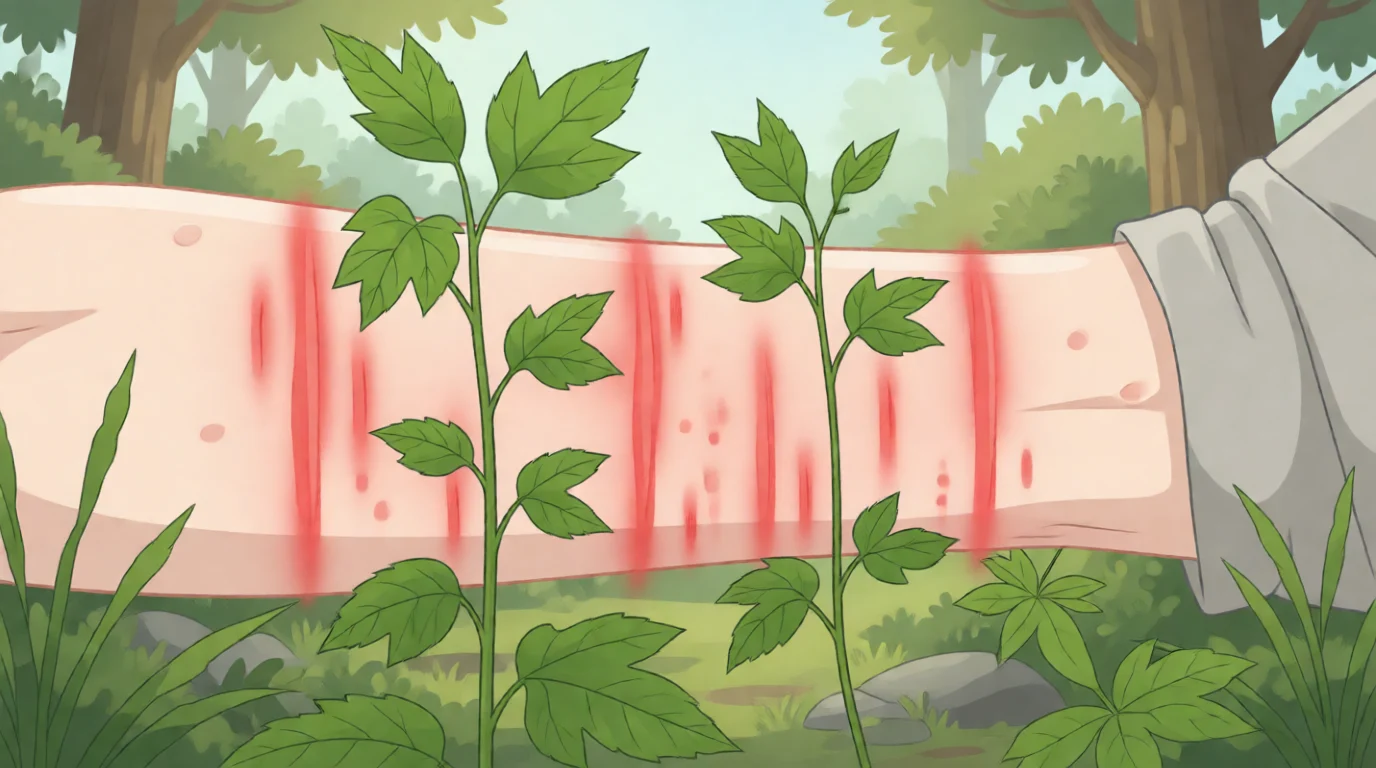
You’re out hiking, gardening, or just walking through some overgrown grass. A day later, your skin starts itching like wild. Red bumps show up. Then blisters. That’s usually when people rush online asking what does poison ivy look like—both on the plant and on the skin. Poison ivy can be sneaky, and many people don’t realize they touched it until the rash appears.
This guide explains exactly what poison ivy looks like, in simple, clear terms.
Quick Answer:
Poison ivy usually looks like a plant with clusters of three pointed green leaves, and on skin it causes a red, itchy rash with bumps or fluid-filled blisters.
What Does Poison Ivy Look Like as a Plant?
Poison ivy is famous for one simple rule.
“Leaves of three, let it be”
That saying exists for a reason.
Common plant features
- Three leaflets per stem
- Pointed or slightly rounded leaf tips
- Leaves can be shiny or dull
- Edges may be smooth or jagged
- Color ranges from bright green to reddish
Seasonal changes
- Spring: reddish-green young leaves
- Summer: full green leaves
- Fall: yellow, orange, or red leaves
- Winter: bare vines with fuzzy roots
Poison ivy can grow as:
- A low shrub
- A ground plant
- A climbing vine on trees or fences
Bold summary: Poison ivy plants have three leaves per stem and change color with the seasons.
What Does Poison Ivy Look Like on Skin?
The skin reaction is caused by urushiol, an oily substance in the plant.
Early signs (hours to days after contact)
- Redness
- Itching or burning
- Mild swelling
Later signs
- Raised bumps
- Fluid-filled blisters
- Streaks or lines where skin brushed the plant
- Oozing and crusting as it heals
How it feels
- Very itchy
- Sometimes painful
- Worse at night or when scratched
Bold summary: Poison ivy rash looks like red, itchy skin with bumps or blisters, often in lines or patches.
Common Shapes and Patterns of Poison Ivy Rash
Poison ivy rashes often look unique compared to other skin issues.
Typical patterns
- Straight or curved lines
- Clusters of blisters
- Patches on exposed skin
- Rash only where the plant touched
This happens because the oil spreads where your skin made contact.
Where Poison Ivy Rash Commonly Appears
Most often found on:
- Arms and hands
- Legs and ankles
- Face and neck
- Around wrists or ankles
Rash usually appears on exposed areas, not under tight clothing.
What Poison Ivy Does Not Look Like
Poison ivy is often confused with other skin problems.
It usually does NOT look like:
- Random full-body rash
- Flat redness with no itching
- Pimples with whiteheads
- Bruising
- Ring-shaped rashes
Those may point to other conditions.
Realistic Examples of What People Notice
Here’s how people commonly describe poison ivy:
- “red itchy lines on my arm”
- “tiny blisters that won’t stop itching”
- “rash showed up two days later”
- “burning feeling before the bumps”
- “clear fluid leaking from blisters”
- “rash only where i touched the plant”
- “ankles and wrists itching like wild”
Poison Ivy vs Similar Plants
Many plants look alike. Here’s how poison ivy compares.
| Plant | Key Feature | Difference |
|---|---|---|
| poison ivy | three leaflets | itchy rash |
| poison oak | three rounded leaves | oak-like shape |
| poison sumac | 7–13 leaflets | grows near water |
| blackberry | thorny stems | no rash |
| boxelder | three to five leaves | no itching |
Poison Ivy Rash vs Other Skin Conditions
| Condition | Appearance | Key Difference |
|---|---|---|
| poison ivy | blistering lines | very itchy |
| eczema | dry patches | chronic |
| bug bites | single bumps | bite marks |
| shingles | painful rash | nerve pain |
| allergic rash | widespread redness | not blistered |
When to See a Doctor
You should seek medical help if:
- Rash spreads to eyes or genitals
- Blisters are severe or infected
- Swelling affects breathing
- Rash lasts longer than 2–3 weeks
- Fever develops
Mild cases usually heal in 1–3 weeks.
When to Use and When Not to Scratch
Do:
- Wash skin immediately after exposure
- Use cool compresses
- Apply calamine lotion
- Keep nails short
Don’t:
- Scratch blisters
- Touch eyes after exposure
- Burn poison ivy plants
- Ignore spreading rash
Context comparison table
| Situation | What You See | What to Do |
|---|---|---|
| red itchy lines | early rash | wash skin |
| blisters forming | fluid-filled bumps | soothe + treat |
| facial swelling | severe reaction | see doctor |
| mild itching | small patch | home care |
Frequently Asked Questions
Can poison ivy rash spread?
The rash itself doesn’t spread, but urushiol oil can if it’s still on skin or clothing.
How long does poison ivy last?
Usually 1–3 weeks, depending on severity.
Can poison ivy be contagious?
No. You can’t catch it from another person’s rash.
Does everyone react to poison ivy?
Most people do, but sensitivity varies.
Can poison ivy appear days later?
Yes. It can show up 12–72 hours after contact.
Does poison ivy always blister?
Not always. Mild cases may only show redness and itching.
Why Recognizing Poison Ivy Matters
Knowing what poison ivy looks like helps you avoid it outdoors and treat it early if exposed. Early washing and proper care can reduce how bad the rash gets and how long it lasts.
Final Thought
So, what does poison ivy look like? As a plant, it has three-leaf clusters that change color by season.
On skin, it causes red, itchy rashes with bumps or blisters, often in streaks. Spotting it early on the trail or on your skin can save you days of discomfort.

John Michael is the creative mind behind replyresponses.com, sharing witty, smart, and relatable responses for every situation — helping people text confidently, laugh often, and connect better every day.