Although it may feel uncomfortable to talk about at first, poop is, without a doubt, one of the clearest mirrors of your internal health. In fact, every single bowel movement quietly reports how your digestive system, diet, hydration, stress levels, and gut bacteria are performing.
Because of that, ignoring poop means ignoring valuable information your body freely provides. Moreover, while many people flush quickly and move on, small changes in stool often appear long before bigger health problems develop.
Therefore, learning to understand poop is not gross at all; instead, it is practical, empowering, and surprisingly simple.
Throughout this guide, you will gradually learn what poop actually is, how it forms, what healthy stool looks like, and when changes deserve attention. Ultimately, by the end, you will view poop not as an embarrassing topic, but rather as a daily health report card worth reading carefully.
What Poop Really Is and Why Your Body Makes It
To begin with, poop is the leftover material your body cannot digest or absorb. More specifically, it contains undigested food particles, water, bacteria, dead cells, and waste substances your body no longer needs. As food travels through your digestive tract, nutrients are absorbed along the way.
Meanwhile, what remains slowly transforms into stool. Because this process happens constantly, poop becomes a natural and necessary result of staying alive and eating regularly. Additionally, the bacteria living in your gut play a major role, as they help break down food and shape stool consistency. Therefore, poop is not useless waste; instead, it is evidence of digestion doing its job properly.
How Poop Is Formed Inside the Digestive System
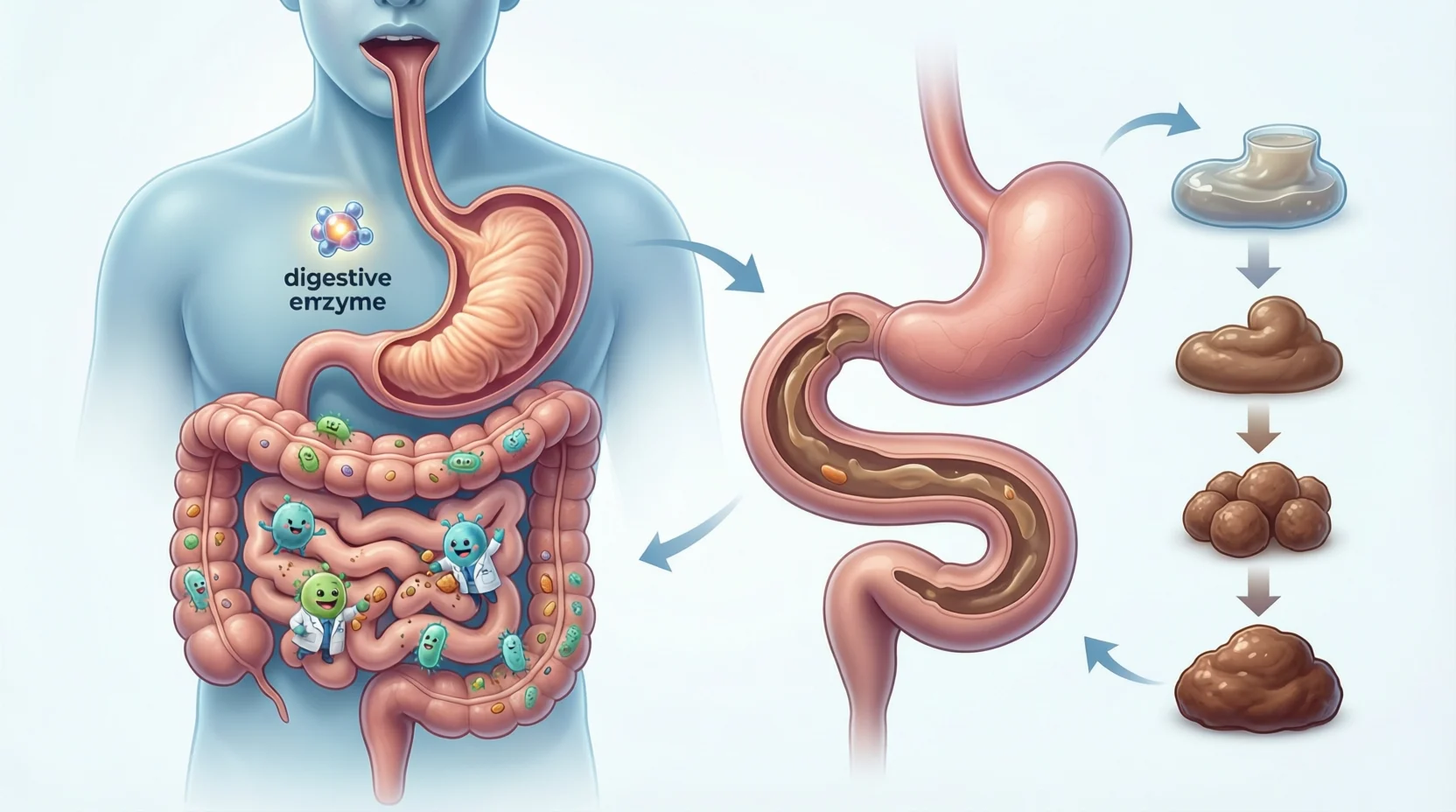
First, digestion starts in the mouth, where chewing and saliva begin breaking food down. Then, as food moves into the stomach, acids and enzymes continue the process. After that, in the small intestine, nutrients are absorbed into the bloodstream. Meanwhile, the remaining material passes into the large intestine.
At this stage, water is absorbed, and bacteria further break down leftovers. Gradually, as water content decreases, stool becomes more solid. Finally, when the rectum fills, the body signals that it is time to poop. Because each step matters, disruptions anywhere along this path can change how your poop looks, feels, or smells.
What Normal, Healthy Poop Looks Like
Generally speaking, healthy poop is medium to dark brown, well-formed, and easy to pass. Ideally, it resembles a smooth or slightly cracked sausage. Furthermore, it should not be overly hard, watery, or painful to pass.
While poop does have a smell, it should not be overwhelmingly foul or unusual. Importantly, healthy stool appears consistent over time rather than changing dramatically from day to day. Therefore, regularity and stability often signal a well-functioning digestive system.
Poop Colors and What They Can Indicate
Most often, brown poop indicates healthy digestion, thanks to bile breaking down during digestion. However, green poop may appear after eating leafy vegetables or when food moves too quickly through the intestines. Meanwhile, yellow or greasy stool can suggest fat absorption issues.
More concerning, black poop may indicate bleeding in the upper digestive tract, while red poop could signal bleeding lower down. Additionally, pale or clay-colored stool may point to bile flow problems. Because color changes can come from diet or supplements, context matters; nevertheless, persistent unusual colors should never be ignored.
Poop Shapes and the Bristol Stool Chart
To better describe stool consistency, doctors often use the Bristol Stool Chart. On one end, small hard pellets suggest constipation. On the other end, watery stool indicates diarrhea. Ideally, healthy poop falls in the middle, appearing soft, smooth, and formed.
Because shape reflects how long stool stays in the colon, it offers insight into hydration, fiber intake, and gut health. Therefore, tracking stool shape over time can reveal patterns worth addressing.
How Often You Should Poop
Contrary to popular belief, there is no single “correct” number of times to poop daily. For some people, once a day feels normal. For others, three times a day or three times a week can still be healthy. What matters more is consistency and comfort. If your pattern suddenly changes, or if you experience pain, straining, or urgency, that shift may signal an issue. Therefore, listening to your body’s usual rhythm matters more than chasing an arbitrary rule.
What Poop Smell Can Tell You
Although poop always smells unpleasant, extreme odors can reveal important clues. For instance, unusually foul smells may result from infections, food intolerances, or malabsorption.
Sulfur-like smells often follow high-protein foods, while sweet or metallic odors may point to digestive imbalance. Because smell reflects bacterial activity in the gut, sudden changes deserve attention, especially if they persist alongside other symptoms.
How Diet Directly Changes Your Poop
Unquestionably, what you eat shapes your poop. Fiber-rich foods add bulk and softness, making stool easier to pass. In contrast, low-fiber diets often lead to constipation.
Fatty foods can cause greasy stool, while dairy may trigger diarrhea in lactose-intolerant individuals. Additionally, artificial food coloring can temporarily change stool color. Therefore, diet adjustments often produce noticeable stool changes within days.
The Powerful Link Between Poop and Gut Health
Inside your gut live trillions of bacteria that influence digestion, immunity, and even mood. When this microbiome stays balanced, poop remains consistent and healthy. However, stress, illness, antibiotics, and poor diet can disrupt this balance.
As a result, stool may become irregular, loose, or hard. Consequently, poop becomes one of the easiest ways to observe gut health without medical tests.
Common Poop Problems and Their Causes
Constipation often results from dehydration, low fiber intake, or inactivity. Diarrhea, on the other hand, may stem from infections, food sensitivities, or stress.
Conditions like irritable bowel syndrome cause alternating stool patterns. Additionally, chronic changes may point to underlying digestive disorders. Therefore, recurring problems deserve careful evaluation rather than quick dismissal.
Poop Across Different Ages
In newborns, poop changes rapidly during the first weeks of life. Toddlers often experience irregular bowel habits during development. Adults typically settle into a pattern, although lifestyle changes can disrupt it.
Meanwhile, aging may slow digestion, increasing constipation risk. Because expectations differ by age, understanding normal ranges helps prevent unnecessary worry.
When Poop Signals a Medical Emergency
Blood in stool, persistent black poop, severe pain, unexplained weight loss, or ongoing diarrhea should prompt medical attention. Similarly, sudden dramatic changes without dietary explanation deserve evaluation.
While many stool changes are harmless, ignoring warning signs can delay important treatment. Therefore, caution is always wiser than avoidance.
Simple Ways to Improve Your Poop Naturally
First, drink enough water daily. Next, increase fiber gradually through fruits, vegetables, and whole grains. Additionally, regular physical activity supports healthy bowel movements.
Establishing a consistent bathroom routine also helps. Finally, managing stress supports gut balance. Together, these habits gently improve stool quality over time.
Common Myths About Poop
Many believe holding poop occasionally causes harm, yet chronic holding is the real issue. Detox myths often exaggerate poop’s role in cleansing.
Additionally, color changes are not always emergencies. Understanding facts reduces unnecessary anxiety and promotes healthier awareness.
Frequently Asked Questions
Is it normal to poop after eating?
Yes, the digestive reflex often triggers bowel movements after meals.
Why does poop sometimes float?
Floating stool often contains excess gas or fat.
Can stress really affect poop?
Absolutely, stress strongly influences gut movement.
Is mucus in poop normal?
Small amounts can be normal, but frequent mucus may signal irritation.
Why does poop burn?
Spicy foods, diarrhea, or irritation can cause burning sensations.
Final Thought
Ultimately, poop is not something to ignore, hide, or laugh off. Instead, it is one of the most accessible health tools your body offers daily.
By paying attention to its color, shape, smell, and frequency, you gain insight into digestion, diet, and overall well-being.
Rather than feeling embarrassed, choose curiosity and awareness. Over time, this simple habit can lead to better health, fewer surprises, and greater confidence in understanding your body.

Stuck on what to say? ReplyResponses.com gives you clever, funny, and savage comebacks for every moment — because silence isn’t golden when you can drop a perfect reply!