That sounds like a really relatable experience! Sometimes, phrases like You’re being selfish can catch us off guard, especially when we don’t fully understand what the other person means or the context behind it.
It’s awesome that you took the time to learn more about it instead of reacting right away that’s such a mature and thoughtful approach.
If you want, I can help you put this into a clear and engaging paragraph or even help create some good ways to respond confidently if someone says You’re being selfish in a conversation. Would you like that? Or maybe some advice on how to stay calm and handle it smoothly?
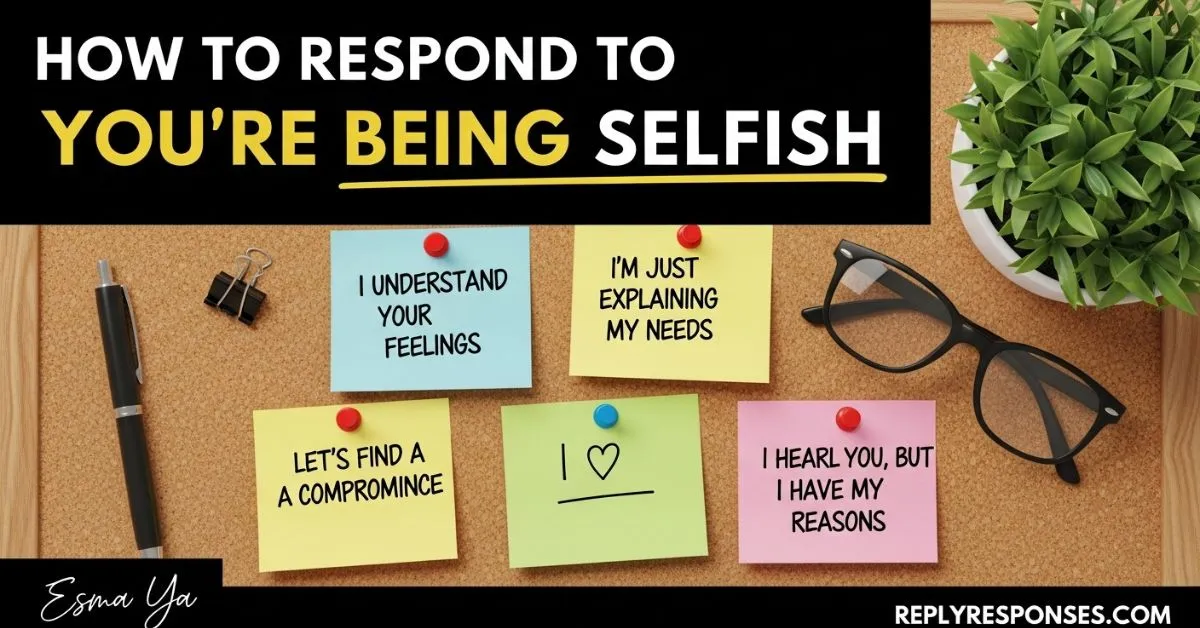
Ways to Respond Calmly When Someone Says You’re Selfish
- I didn’t mean to come across that way.
- Can you help me understand why you feel that?
- I’m sorry if I hurt you.
- Let’s talk about what’s bothering you.
- That wasn’t my intention.
- I want to listen to your side.
- Can we find a solution together?
- I’ll try to be more thoughtful.
- I appreciate you telling me.
- Let’s work this out calmly.
- I didn’t realize it looked like that.
- I care about how you feel.
- I’m open to feedback.
- I want us both to feel heard.
- Thanks for being honest with me.
- I’ll think about what you said.
- Maybe we misunderstood each other.
- I want to improve our relationship.
- Let’s focus on fixing this.
- I didn’t think it was selfish.
- Can we pause and talk later?
- I’m willing to change.
- Tell me what you need from me.
- I want us to get along.
- I’m sorry for my actions.
- Let’s be patient with each other.
- I want to understand better.
- How can I do better next time?
- I don’t want to hurt you.
- Thanks for sharing your feelings.
Responses to Use When You’re Surprised to Be Called Selfish
- That caught me off guard.
- I didn’t expect to hear that.
- I’m surprised because I was trying to help.
- Can you explain what you mean?
- I didn’t think my actions were selfish.
- That’s not how I see it.
- I’m confused by what you said.
- I want to understand your point.
- This is new to me.
- Can we talk about why you feel that way?
- I didn’t realize how it looked.
- I thought I was doing the right thing.
- I’m open to hearing more.
- Let’s clear up the misunderstanding.
- I’m willing to listen.
- I want to see your side too.
- I need some time to think about this.
- I didn’t mean to upset you.
- That’s a surprise to me.
- Let’s talk when we’re both calm.
- I didn’t want to seem selfish.
- I’m sorry if it came off that way.
- I care about your feelings.
- I want to make things right.
- This is unexpected for me.
- Can you give me an example?
- I’m willing to learn from this.
- I value our relationship.
- Let’s figure this out together.
- I want to be better.
Polite but Firm Ways to Defend Yourself Against Being Called Selfish
- I don’t think that’s fair.
- I’m trying my best here.
- Please consider my side too.
- I’m not being selfish.
- I think there’s a misunderstanding.
- Let’s look at this calmly.
- I care about others as well.
- I’m open to hearing your concerns.
- That’s not how I see it.
- I want to explain my actions.
- I believe I acted reasonably.
- Can we focus on facts?
- I want to find a balance.
- I’m willing to compromise.
- Please don’t jump to conclusions.
- I’m trying to do what’s right.
- I want us to be fair.
- Let’s avoid name-calling.
- I respect your opinion, please respect mine.
- Let’s have a calm discussion.
- I don’t think selfish fits here.
- I want to improve our communication.
- I’m open to feedback but not insults.
- I care about you and others.
- Let’s focus on the problem, not blame.
- I’m willing to work through this.
- Let’s not make assumptions.
- I’m trying to listen and help.
- Can we talk respectfully?
- I’m not here to cause harm.
- I want us to move forward.
Funny or Lighthearted Responses to Ease Tension
- Well, I’m selfish, but only on Tuesdays.
- I’m practicing for selfishness Olympics.
- Can I get points for honesty?
- Maybe I’m selfish, but you’re awesome.
- I’m selfish with my snacks, not feelings.
- Guilty as charged, but I’m working on it.
- Selfish? I prefer “self-care expert.”
- My selfishness has a schedule, don’t worry.
- I save my selfishness for bad hair days.
- I’m selfish because I’m limited edition.
- I put the “I” in “team.”
- Selfish? Nah, just focused.
- I’m selfish but only for good reasons.
- I’m selfish because I need my alone time.
- I promise to share… sometimes.
- Selfishness is my superpower.
- I’m selfish, but I give great hugs.
- I’m selfish to keep my sanity.
- I’m selfish because I love me.
- Selfish? Just practicing boundaries.
- I’m selfish, but I’m also funny.
- I’m selfish, but only with my playlist.
- I’m selfish because I’m recharging.
- I’m selfish, but I’m working on empathy.
- Selfish today, generous tomorrow.
- I’m selfish, but I’m listening.
- I’m selfish because I’m human.
- Selfish? More like self-aware.
- I’m selfish, but it’s not personal.
- I’m selfish, but I care too.
How to Respond When You Want to Apologize and Fix Things
- I’m sorry for how I acted.
- I didn’t mean to be selfish.
- Thank you for letting me know.
- I want to make it right.
- Can we start fresh?
- I’ll try harder next time.
- Please forgive me.
- I care about you and our friendship.
- Let’s work on this together.
- I didn’t realize my actions hurt you.
- I want to listen and improve.
- I appreciate your patience.
- I’m sorry for any pain I caused.
- I want us to be okay.
- I’ll be more thoughtful moving forward.
- Can we talk about what happened?
- I’m here to listen.
- I want to understand your feelings.
- Let me know how I can help.
- I value you and our relationship.
- I’m sorry for not seeing your side.
- I want to grow from this.
- Thanks for your honesty.
- I’m ready to change.
- I care and want to do better.
- I’m sorry and I mean it.
- Let’s fix this together.
- I’ll be more aware next time.
- I want to support you better.
- Thank you for giving me a chance.
Responses to Use When You Want to Set Boundaries
- I hear you, but I need space.
- I’m willing to talk later.
- I want to discuss this calmly.
- Let’s take a break and revisit.
- I need time to think.
- I want to be respectful.
- Please don’t accuse me without talking first.
- I’m happy to listen when we’re both calm.
- I want us to be kind to each other.
- I’m setting a boundary for my feelings.
- I’ll respond when I’m ready.
- I need respect just like you do.
- I want a fair conversation.
- I’m not okay with being called names.
- Let’s speak kindly to each other.
- I want to solve this peacefully.
- I’m here to listen but not argue.
- I want us both to feel safe.
- I need you to respect my space.
- Let’s keep this respectful.
- I want us to grow, not fight.
- I’ll join the conversation when it’s calm.
- I want honest talk, not blame.
- Let’s keep it positive.
- I want to protect my feelings.
- I’ll talk when we both are ready.
- I’m willing to work on this.
- Please understand my limits.
- I want us to be better.
- I care but need respect.
How to Use Questions to Respond to Being Called Selfish
- What makes you say that?
- Can you explain what you mean?
- How did I make you feel that way?
- What do you need from me?
- Can we talk about this calmly?
- When did you feel I was selfish?
- Can you give me an example?
- How can I do better?
- What would you like me to change?
- Can we work on this together?
- What can I do to help?
- How do you see the situation?
- What would be fair for both of us?
- Can you share your feelings with me?
- What’s important to you right now?
- How do you want things to be?
- Can we listen to each other?
- What can I do to support you?
- How do you think I can improve?
- What do you expect from me?
- Can you help me understand more?
- What’s the best way to fix this?
- How do you feel now?
- What made you upset?
- Can we try to find a solution?
- What would make you feel better?
- How can we avoid this in the future?
- What’s your perspective on this?
- Can you tell me more?
- How do you want to move forward?
Conclusion
Being called selfish can feel hurtful, but how you respond matters most. Using calm, honest, and respectful replies helps clear misunderstandings and build better communication.
Whether you want to explain yourself, apologize, or set boundaries, these simple responses can guide you in everyday situations.
Remember, listening and understanding are key to improving any relationship. With these easy phrases, you’ll be ready to handle tough moments with confidence and kindness.

Welcome to ReplyResponses.com, your go-to hub for quick, witty, and clever replies for every situation! Whether you’re looking to spice up your chats, craft the perfect comeback, or make your messages stand out, we’ve got you covered. From funny one-liners to smart responses, our platform helps you communicate with confidence and flair. Get ready to never run out of words again—because every conversation deserves the perfect reply!