If you’ve ever browsed real estate listings, you’ve probably seen a house you loved only to spot a confusing little word next to it: contingent.
The first time I saw it, I genuinely thought it meant the house was maybe available… or partially for sale? It felt like real estate slang that everyone else understood except me.
If you’ve been in that same boat, don’t worry it’s a super common question.
Quick Answer:
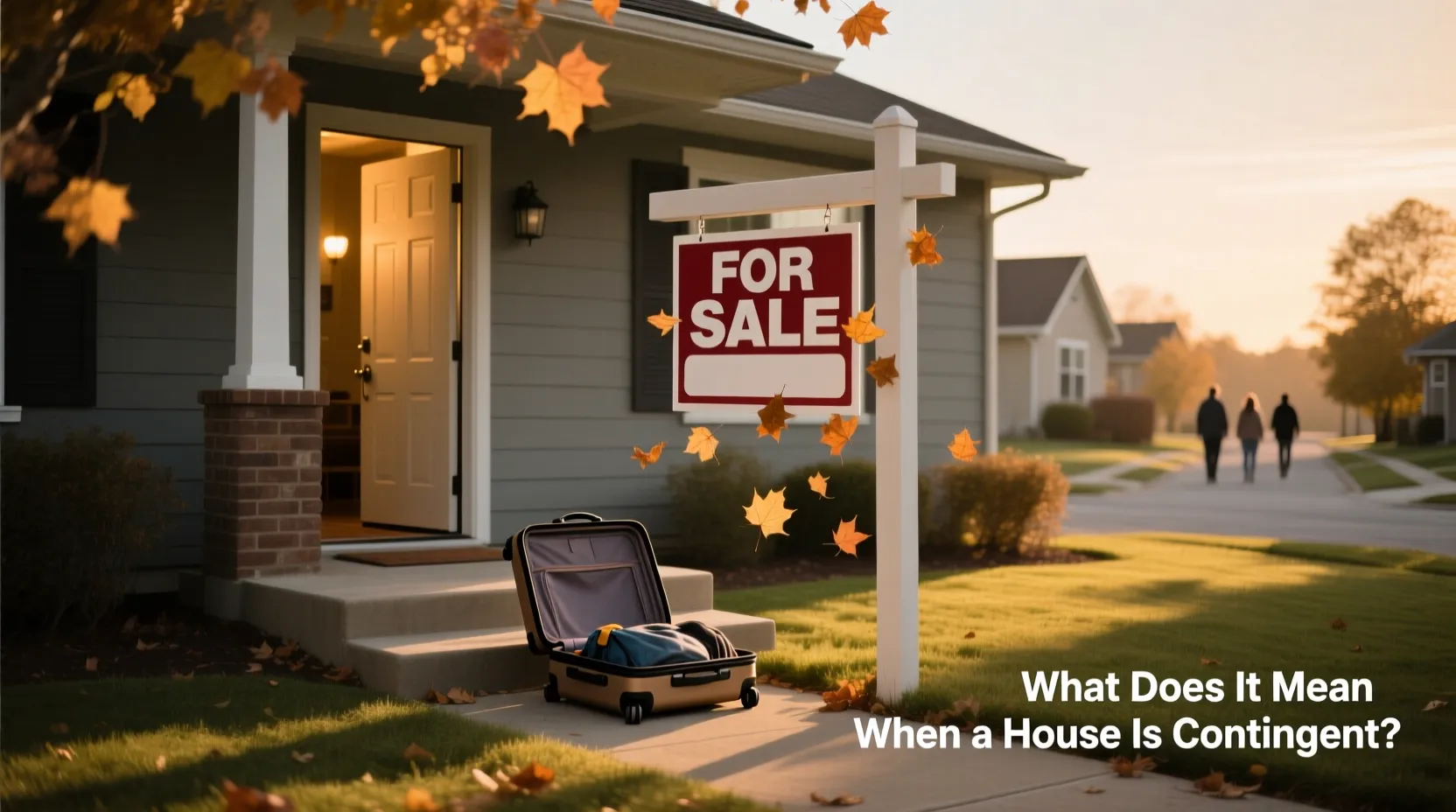
When a house is contingent, it means the seller has accepted an offer, but the sale isn’t final yet because certain conditions (contingencies) still need to be met.
It’s a polite way of saying: “It’s taken… but not completely.”
What Does “Contingent” Mean in Text? 🧠
In real estate, contingent means:
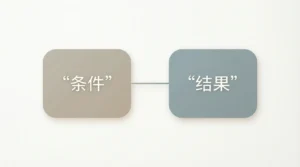
The seller accepted a buyer’s offer, but the sale depends on specific conditions being fulfilled — like inspections, appraisals, or loan approval.
Simple example:
“This house is contingent on the buyer getting financing.”
So the deal isn’t done yet… but it’s also not fully open.
In short: “Contingent” = condition-pending offer = sale in progress but not final.
Where Is “Contingent” Commonly Used? 📱
You’ll mostly see contingent in real-estate contexts, especially:
• Zillow, Realtor.com, Redfin, and other listing sites
• Real estate Facebook groups
• Property ads on Instagram or TikTok
• Conversations with agents or buyers
• Housing market discussions online
Tone:
• It’s formal
• Used in professional or transaction-related talks
• Rare in casual texting unless someone is discussing property
Examples of “Contingent” in Conversation 💬
A: did you see that house on elm street?
B: yeah, it’s already contingent 😩
A: we put an offer in!
B: omg congrats! so it’s contingent now?
A: can we still view this listing?
B: you can, but it’s contingent rn
A: what does contingent even mean?
B: offer accepted but not final yet
A: is that townhouse still available?
B: kinda… it’s contingent but could fall through
A: the house i wanted went contingent so fast 😭
B: the market is wild
When to Use and When Not to Use “Contingent” 🕓
When to Use
✅ When talking about real estate deals
✅ When explaining the status of a home listing
✅ When discussing offers, inspections, or pending conditions
✅ When referring to transactions that are in progress but not complete
When Not to Use
❌ In casual chatting unrelated to housing
❌ When the home is fully sold — then the correct term is pending or sold
❌ When guessing availability without knowing the actual status
❌ In informal or flirty texting — it’s not a slang word
Comparison Table
| Context | Example Phrase | Why It Works |
|---|---|---|
| Friend Chat | “the house we wanted is contingent 😭” | Clear & casual housing talk |
| Work Chat (real estate) | “The property is currently contingent after inspection.” | Professional & accurate |
| “This listing remains contingent until financing is approved.” | Formal & informative |
Similar Slang Words or Alternatives 🔄
| Term | Meaning | When to Use |
|---|---|---|
| Pending | Sale is almost complete | When contingencies are cleared |
| Under Contract | Buyer + seller agreed, waiting to close | General real estate updates |
| Active | House is available | When no offers are accepted yet |
| Backup Offer | Secondary offer waiting in line | When you want a chance if the main deal fails |
| Contingent – Kickout | Buyer’s offer accepted but seller can accept others | Competitive markets |
FAQs About “Contingent” ❓
Is “contingent” the same as sold?
No. “Sold” is final. “Contingent” means the sale might happen.
Can you still make an offer on a contingent house?
Yes! Many sellers accept backup offers.
Does contingent mean the deal could fall through?
Absolutely. Financing failures, inspection issues, or appraisal problems can cancel the sale.
Which is better for chances — contingent or pending?
Contingent gives you a better shot. Pending is closer to final.
How long can a house stay contingent?
Typically 2–6 weeks, depending on the contingencies.
Conclusion
Seeing a house marked contingent can feel confusing or even annoying when you’re house hunting but now you know exactly what it means.
It simply tells you the home has an accepted offer with conditions, and the deal isn’t locked in yet.
There’s still a chance (big or small) it could come back on the market.
Understanding this term helps you move smarter, search better, and jump quickly if a backup offer could work in your favor.

Stuck on what to say? ReplyResponses.com gives you clever, funny, and savage comebacks for every moment — because silence isn’t golden when you can drop a perfect reply!