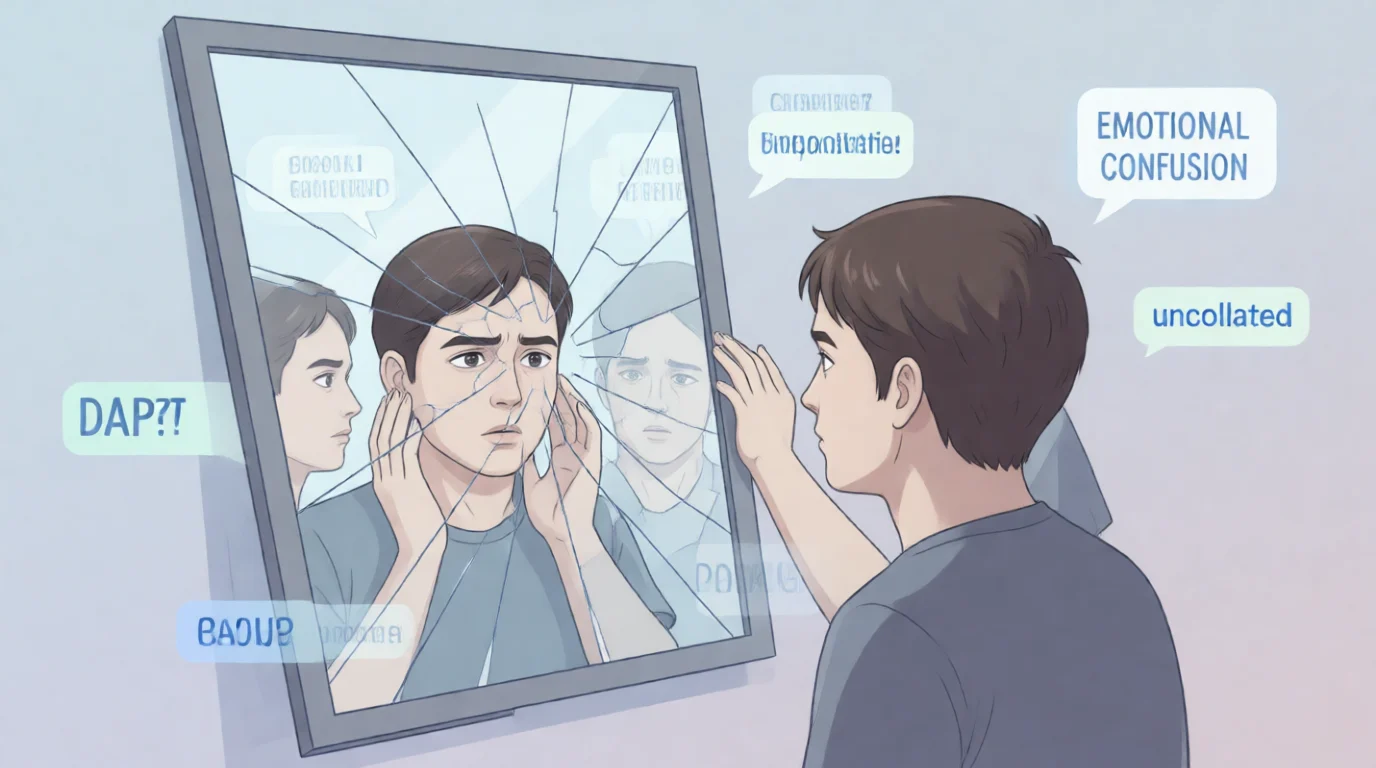
You’re in a conversation where someone insists, “I never said that,” even though you clearly remember they did. You start doubting yourself. Did you imagine it? Are you overreacting? That uneasy feeling is often where people first encounter the word gaslighting—usually after it’s already happened to them.
Gaslighting is a term you’ll see everywhere today, from social media posts to relationship advice videos. It’s serious, but it doesn’t have to be confusing. Understanding what gaslighting means can help you recognize unhealthy behavior and trust your own reality again.
Quick Answer:
Gaslighting means manipulating someone into doubting their own memories, feelings, or perception of reality.
What Does Gaslighting Mean?
Full Meaning
- Gaslighting = A form of psychological manipulation
- The goal is to make someone question their reality, memory, or judgment
Plain-English Explanation
Gaslighting happens when a person repeatedly denies facts, twists situations, or blames you in a way that makes you feel confused or unsure of yourself. Over time, this can make you rely on them instead of trusting your own thoughts.
Why People Use Gaslighting
- To avoid responsibility
- To gain control or power
- To manipulate emotions
- To shift blame
Example Sentence
“Every time I bring up the issue, he says I’m imagining things—it feels like gaslighting.”
Bold Summary: Gaslighting is manipulating someone so they doubt their own reality, memories, or feelings.
Where Gaslighting Is Commonly Talked About
Gaslighting can happen anywhere, but the term is most often used in these contexts:
| Context | How It’s Used | Tone |
|---|---|---|
| relationships | emotional manipulation | serious |
| social media | awareness and education | informative |
| workplaces | toxic behavior | neutral to serious |
| family dynamics | control or blame | serious |
| online discussions | mental health topics | educational |
Tone Note: Gaslighting is a serious term, not casual slang. It should be used carefully and accurately.
Realistic Conversation Examples
Here are realistic examples that show gaslighting behavior in everyday language:
- “that never happened, you’re making it up”
- “you’re too sensitive, i was joking”
- “everyone agrees with me, not you”
- “you always twist things, i remember it clearly”
- “you’re imagining problems again”
- “if you really loved me, you wouldn’t question this”
- “you’re the only one who thinks that way”
These phrases often dismiss feelings and rewrite reality, which is a key sign of gaslighting.
Signs of Gaslighting to Watch For
Gaslighting often shows up as patterns, not one-time comments.
Common signs include:
- constant denial of things you remember
- making you feel “wild” or confused
- blaming you for their behavior
- minimizing your emotions
- rewriting past events
If this happens repeatedly, it’s not just a misunderstanding—it may be gaslighting.
When to Use and When Not to Use the Term “Gaslighting”
✅ Do Use Gaslighting When:
- describing repeated manipulation
- talking about emotional abuse or unhealthy patterns
- discussing mental health or relationships
- explaining behavior that causes self-doubt
❌ Don’t Use Gaslighting When:
- someone simply disagrees with you
- there’s a one-time misunderstanding
- joking or exaggerating situations
- trying to win an argument
Context Comparison Table
| Context | Example Phrase | Why It Works / Doesn’t |
|---|---|---|
| relationship advice | “this behavior is gaslighting” | accurate and helpful |
| therapy discussion | “i experienced gaslighting” | appropriate |
| casual disagreement | “you’re gaslighting me” | misused |
| joke argument | “stop gaslighting lol” | minimizes meaning |
Similar Words or Related Concepts
| Term | Meaning | When to Use |
|---|---|---|
| manipulation | controlling someone unfairly | broad situations |
| emotional abuse | harmful emotional behavior | serious cases |
| denial | refusing to accept facts | specific actions |
| blame-shifting | placing fault on others | conflict discussions |
| invalidation | dismissing feelings | emotional context |
Frequently Asked Questions
Is gaslighting intentional?
Often yes, but sometimes people do it unconsciously. The impact still matters.
Is gaslighting a form of abuse?
Yes. It’s considered a form of emotional or psychological abuse.
Can gaslighting happen at work?
Yes. It can happen in workplaces through blame, denial, or manipulation.
Is gaslighting only in romantic relationships?
No. It can happen in families, friendships, workplaces, and even online.
How do I respond to gaslighting?
Document facts, trust your instincts, set boundaries, and seek outside support.
Is everyone who disagrees with me gaslighting?
No. Disagreement isn’t gaslighting. Repeated reality distortion is.
Why Gaslighting Is Talked About So Much Today
People are more aware of mental health and emotional well-being. Social media and therapy content have helped give language to experiences people always felt but couldn’t name. Gaslighting became common because it finally explained a very real and damaging behavior.
Final Thought
So, what does gaslighting mean? It’s a form of manipulation where someone makes you doubt your own reality, memories, or feelings.
Knowing this term helps you recognize unhealthy behavior, protect your mental health, and trust yourself more confidently in relationships and conversations.

John Michael is the creative mind behind replyresponses.com, sharing witty, smart, and relatable responses for every situation — helping people text confidently, laugh often, and connect better every day.