Ever been in a conversation where someone said, “Let’s compromise,” and you froze, wondering what exactly they wanted?
I remember the first time someone texted me, “We need to compromise on this.” I stared at my phone thinking… is this a good thing, a bad thing, or a warning sign? It sounded serious, but also kind of fair? If you’ve felt that same confusion, you’re not alone.
Here’s the simple breakdown:
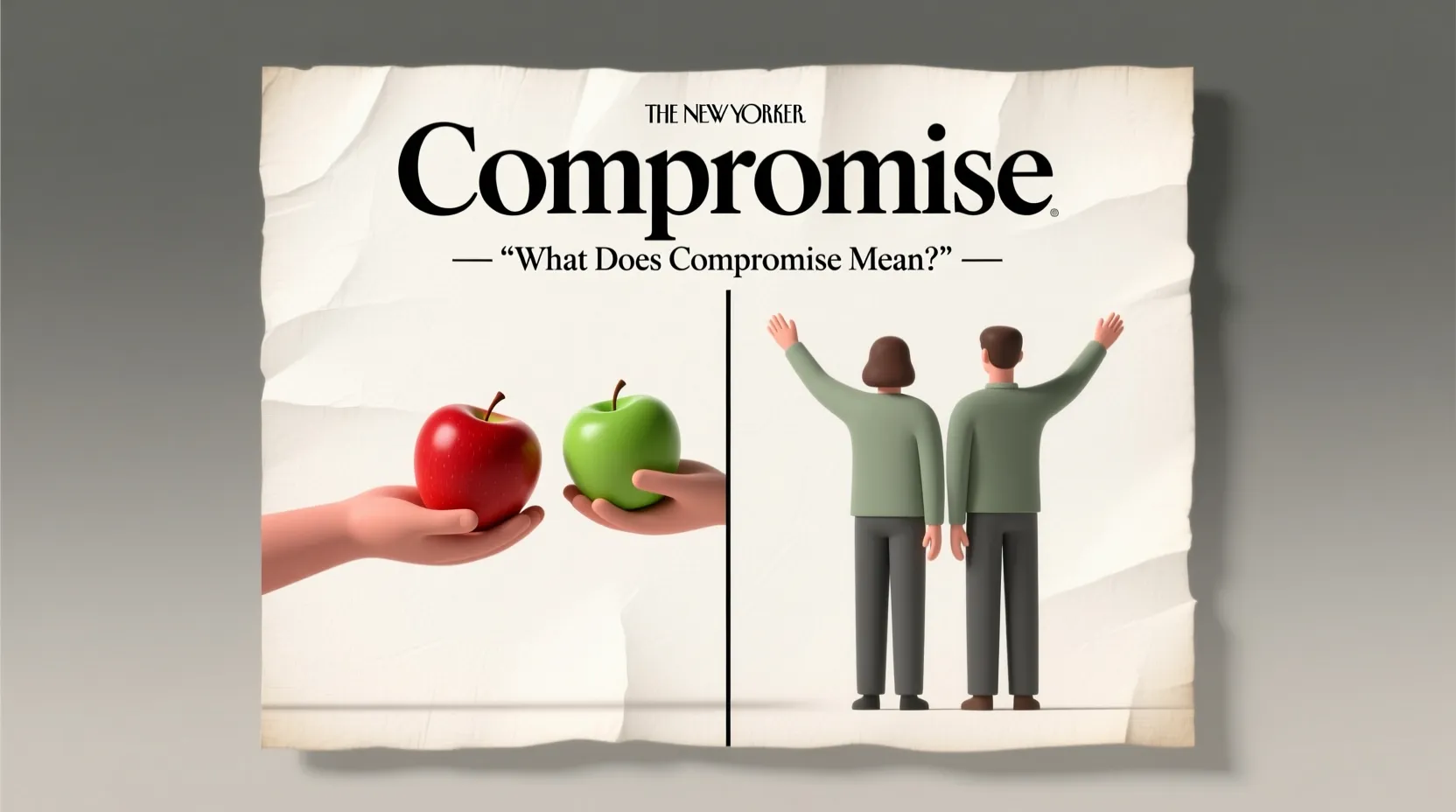
Quick Answer: “Compromise” means finding a middle ground where both people adjust to reach an agreement. It’s a polite, respectful, and solution-focused way of saying “Let’s meet halfway.”
What Does Compromise Mean in Text?
In texting or conversations, compromise means agreeing to give up a little of what you want so both sides can be satisfied. It shows cooperation, maturity, and a willingness to work things out peacefully.
Example:
“Let’s compromise — you choose the movie, and I’ll pick the place.”
In short: compromise = finding middle ground = meeting halfway.
Where Is Compromise Commonly Used?
You’ll see compromise used in many casual and serious conversations:
- 💬 Normal texting between friends
- ❤️ Relationship or dating chats
- 👨👩👧 Family group chats
- 📚 School or project discussions
- 🤝 Workplace communication
- 📲 Social media captions or comments
- 🗣️ Negotiations or planning
It’s a neutral to formal word, depending on the tone. In relationships or everyday texting, it feels warm and cooperative. In work settings, it sounds professional and respectful.
Examples of Compromise in Conversation
A: we can’t agree on dinner lol
B: let’s compromise — pizza today, burgers tomorrow
A: u want 8pm, i want 6pm…
B: ok lets compromise and do 7
A: this isn’t working rn
B: maybe we compromise and try a new plan?
A: i want action movies 😭
B: fine, compromise — action today, romcom next time
A: team is stuck on ideas
B: how about a compromise so everyone’s happy?
A: u never want to go out 😒
B: ok compromise — once this weekend, next time we chill at home
When to Use and When Not to Use Compromise
When to Use
- Friendly discussions
- Relationship disagreements
- Planning events or schedules
- Work meetings
- Group projects
- Negotiations
- When suggesting a fair solution
When Not to Use
- Serious emergencies
- Legal or official communication
- When a situation requires strict rules
- When safety is involved
- When someone is being disrespectful or manipulative
- High-pressure business decisions where clarity matters more than adjustment
Comparison Table
| Context | Example Phrase | Why It Works |
|---|---|---|
| Friend Chat | “Let’s compromise and choose a place in the middle 😄” | Friendly, fair, and flexible |
| Work Chat | “We may need to compromise to move forward.” | Professional and cooperative |
| “Please let me know where we can find a reasonable compromise.” | Formal and respectful |
Similar Slang Words or Alternatives
| Slang / Word | Meaning | When to Use |
|---|---|---|
| Middle ground | A solution between two opinions | When both sides want fairness |
| Meet halfway | Both give a little | Casual or relationship chats |
| Settle | Agree on something | Casual conversations |
| Negotiate | Discuss to reach agreement | Work or formal situations |
| Adjust | Change your stance slightly | Friendly or professional use |
| Fair enough | Accepting a balanced solution | Casual texting |
FAQs About Compromise
What does compromise mean in relationships?
It means both partners adjust to maintain harmony and fairness.
Is compromise positive or negative?
Mostly positive — it shows maturity, teamwork, and willingness to solve problems.
Is compromise always necessary?
Not always. Some situations require firm boundaries, especially involving safety or personal values.
Can compromise be used in formal settings?
Yes. It’s widely used in offices, meetings, and professional communication.

John Michael is the creative mind behind replyresponses.com, sharing witty, smart, and relatable responses for every situation — helping people text confidently, laugh often, and connect better every day.