The first time I heard the word “GPT”, it sounded super technical and honestly a little intimidating. I remember seeing it pop up everywhere tech news, social media posts, even casual conversations online
. People were saying things like, “GPT wrote this,” or “GPT can answer anything,” and I thought, what does GPT even stand for? At first, I assumed it was just another complicated tech acronym.
However, once I looked deeper, I realized that GPT is actually easier to understand than it sounds. In fact, when broken down simply, GPT explains how modern AI understands language and communicates with people like us every day.
Quick Answer:
GPT stands for Generative Pre-trained Transformer, a type of artificial intelligence designed to understand and generate human-like text.
What GPT Stands For and What It Means
Full Form:
- GPT = Generative Pre-trained Transformer
Plain-English Explanation:
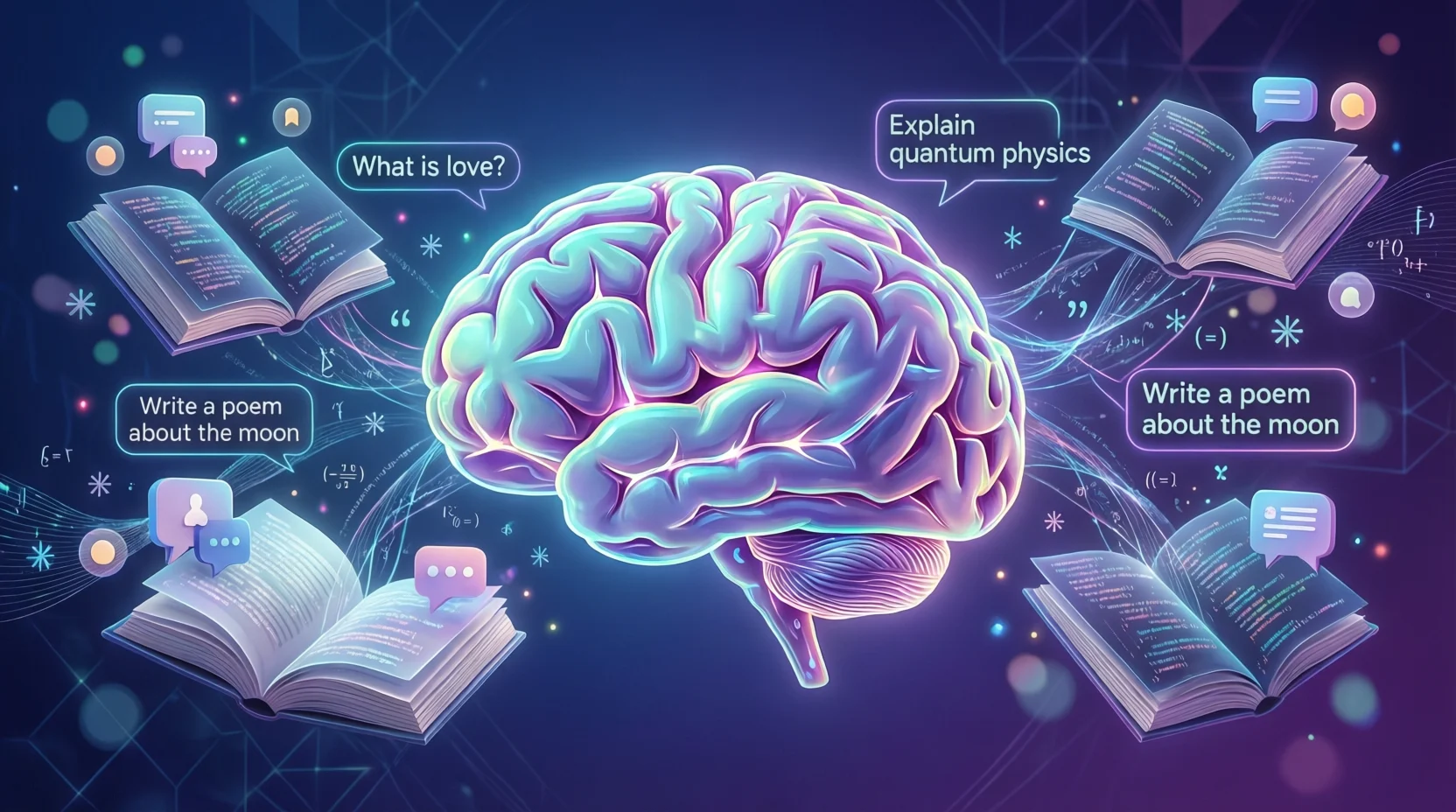
GPT is a kind of artificial intelligence that reads massive amounts of text, learns patterns in language, and then uses that knowledge to generate responses, answers, or content that sounds human. Instead of memorizing facts like a robot, GPT learns how language works.
Why People Use the Term GPT:
- It powers chatbots and AI tools
- It helps generate text, answers, and ideas
- It makes technology feel more conversational
Example Sentence:
- “this article was written using gpt technology.”
In short: GPT is an AI system that learns from text and generates human-like responses.
Breaking Down GPT in Simple Parts
1. Generative
This means GPT can create new content, not just repeat information. It can write, explain, summarize, and answer questions.
2. Pre-trained
This means GPT is trained before you use it. It already understands grammar, words, and sentence structure.
3. Transformer
This is the technology that helps GPT understand context, meaning it knows how words relate to each other in a sentence.
Together, these three parts explain how GPT works so smoothly in conversations.
Where GPT Is Commonly Used
- Chatbots and virtual assistants
- Writing and content creation tools
- Customer support systems
- Education and learning platforms
- Coding and programming help
- Social media and productivity tools
Tone: Neutral and informative in professional settings, but casual and friendly when used in everyday conversations.
8 Realistic Examples of GPT in Daily Life
- asking a chatbot homework questions
- generating blog posts or captions
- summarizing long articles quickly
- helping write emails or messages
- answering customer support questions
- assisting programmers with code
- creating ideas for content or stories
- explaining complex topics simply
When GPT Is Useful and When It Isn’t
✅ When GPT Works Well
- Explaining concepts
- Writing or editing content
- Brainstorming ideas
- Learning new topics
- Answering general questions
❌ When GPT Should Be Used Carefully
- Medical or legal decisions
- Personal data sharing
- Situations needing human judgment
- Highly emotional conversations
Comparison Table
| Context | Example Use | Why It Works / Doesn’t |
|---|---|---|
| learning | “explain math simply” | works: clear explanations |
| writing | “draft an email” | works: saves time |
| diagnosis | “medical advice” | doesn’t work: needs doctor |
| legal case | “court decision” | doesn’t work: needs expert |
Similar AI Terms You Might Hear
| Term | Meaning | How It’s Different |
|---|---|---|
| AI | artificial intelligence | broad concept |
| LLM | large language model | category GPT belongs to |
| chatbot | automated conversation tool | powered by GPT |
| machine learning | systems that learn from data | foundation of GPT |
| neural network | brain-inspired computing | used inside GPT |
FAQs About GPT
1. What does GPT stand for exactly?
Generative Pre-trained Transformer.
2. Is GPT the same as AI?
GPT is a type of AI, not all AI.
3. Can GPT think like humans?
No, it predicts language patterns, not thoughts.
4. Is GPT used on social media?
Yes, many tools and bots use GPT technology.
5. Can GPT replace humans?
No, it assists humans rather than replaces them.
6. Does GPT learn in real time?
No, it uses pre-trained knowledge during conversations.
7. Is GPT safe to use?
Yes, when used responsibly and appropriately.
Final Thought
GPT represents a major shift in how humans interact with technology. Instead of clicking buttons or searching endlessly, people can now talk to machines in natural language and receive helpful, clear responses.
While GPT may sound complex at first, its purpose is actually simple: to make information easier to access and communication more human-like.
By understanding what GPT stands for and how it works, you become more confident using modern tools without fear or confusion.
As technology continues to evolve, knowing concepts like GPT helps you stay informed, empowered, and ready for the digital future rather than overwhelmed by it.

Welcome to ReplyResponses.com, your go-to hub for quick, witty, and meaningful replies! Whether you’re looking for clever comebacks, thoughtful answers, or just some fun conversation starters, we’ve got you covered. Our platform makes responding easier, smarter, and way more enjoyable, helping you connect, engage, and impress effortlessly.