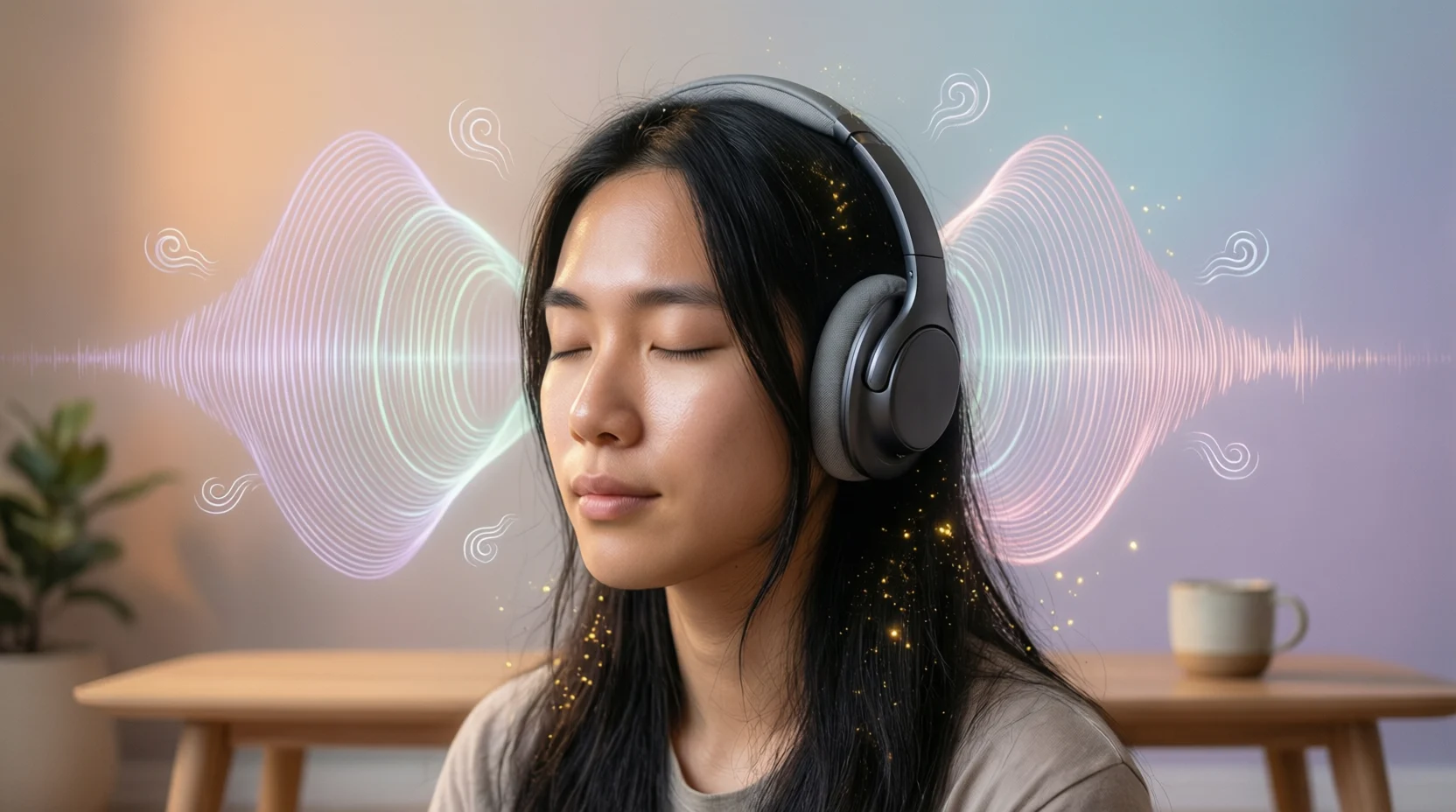
At first, the word ASMR can sound confusing, scientific, or even a little strange. However, once you experience it, everything suddenly makes sense.
Many people hear about ASMR through YouTube, TikTok, or late-night scrolling, yet they don’t fully understand what it actually means.
Because of that, curiosity grows quickly. Interestingly, ASMR isn’t just a trend it’s a real sensory experience that millions of people enjoy daily.
So, to clear all confusion, let’s explain ASMR in the simplest and clearest way possible.
Quick Answer:
ASMR stands for Autonomous Sensory Meridian Response, a relaxing sensation triggered by gentle sounds or visuals.
What ASMR Means (Full Form Explained Simply)
ASMR = Autonomous Sensory Meridian Response
Let’s break it down clearly:
- Autonomous → happens naturally
- Sensory → related to the senses
- Meridian → a peak or high point
- Response → a reaction
So, altogether, ASMR describes a natural, calming reaction your body feels in response to certain sounds or visuals.
What Does ASMR Feel Like?
For many people, ASMR feels like:
- A gentle tingling on the scalp
- A warm sensation down the neck or spine
- Deep relaxation throughout the body
- A calm, sleepy, peaceful feeling
Because of this, ASMR is often used for stress relief, relaxation, and sleep.
Common ASMR Triggers People Enjoy
Different people enjoy different triggers. However, the most popular ones include:
- Whispering
- Soft speaking
- Tapping sounds
- Page turning
- Keyboard typing
- Hair brushing
- Hand movements
- Slow, careful actions
As a result, ASMR content comes in many styles to suit different preferences.
Why People Watch ASMR Videos
People watch ASMR videos for many reasons, such as:
- To relax after a long day
- To reduce stress or anxiety
- To help fall asleep faster
- To focus while studying
- To calm racing thoughts
Because of these benefits, ASMR has become extremely popular worldwide.
Is ASMR Scientific or Just a Trend?
Although ASMR became popular online, it’s not just a trend.
Researchers have found that ASMR can:
- Lower heart rate
- Increase feelings of calm
- Improve mood temporarily
However, not everyone experiences ASMR the same way. Some people feel strong tingles, while others simply feel relaxed.
ASMR vs Regular Relaxing Sounds
| Feature | ASMR | Regular Relaxing Sounds |
|---|---|---|
| tingling sensation | yes (for many) | usually no |
| personal attention | very common | rare |
| triggers | specific sounds | general noise |
| purpose | relaxation + sensation | relaxation only |
This comparison explains why ASMR feels unique.
Is ASMR Safe?
Yes, ASMR is completely safe.
- No physical harm
- No addiction risk
- No negative effects
However, if someone dislikes the sounds, they simply won’t enjoy it—and that’s totally normal.
FAQs About ASMR
1. What does ASMR stand for?
Autonomous Sensory Meridian Response.
2. Is ASMR real?
Yes, many people genuinely experience it.
3. Why does ASMR feel relaxing?
It triggers calm sensory responses.
4. Can everyone feel ASMR?
No, experiences vary by person.
5. Is ASMR only whispering?
No, many triggers exist.
6. Is ASMR used for sleep?
Yes, very commonly.
7. Is ASMR medical treatment?
No, it’s not medical therapy.
Final Thought
ASMR is more than just a strange internet term it’s a deeply calming experience for millions of people worldwide.
While it may sound complex at first, its purpose is actually very simple: relaxation. Whether it comes from whispering, tapping, or gentle movements, ASMR offers comfort, peace, and mental quiet in a fast-paced world.
Even though not everyone experiences tingles, many still enjoy the soothing atmosphere it creates.
Ultimately, ASMR reminds us that small sounds and slow moments can have powerful effects on our minds and emotions.
Understanding ASMR helps remove confusion and allows you to appreciate why it has become such a beloved part of modern digital culture.

Stuck on what to say? ReplyResponses.com gives you clever, funny, and savage comebacks for every moment — because silence isn’t golden when you can drop a perfect reply!