Have you ever been reading a story and someone asked, “What’s the theme here?” and you felt completely lost?
You might have shrugged or nodded, hoping no one noticed. Don’t worry this is super common!
Understanding “theme” in a story isn’t as tricky as it sounds.
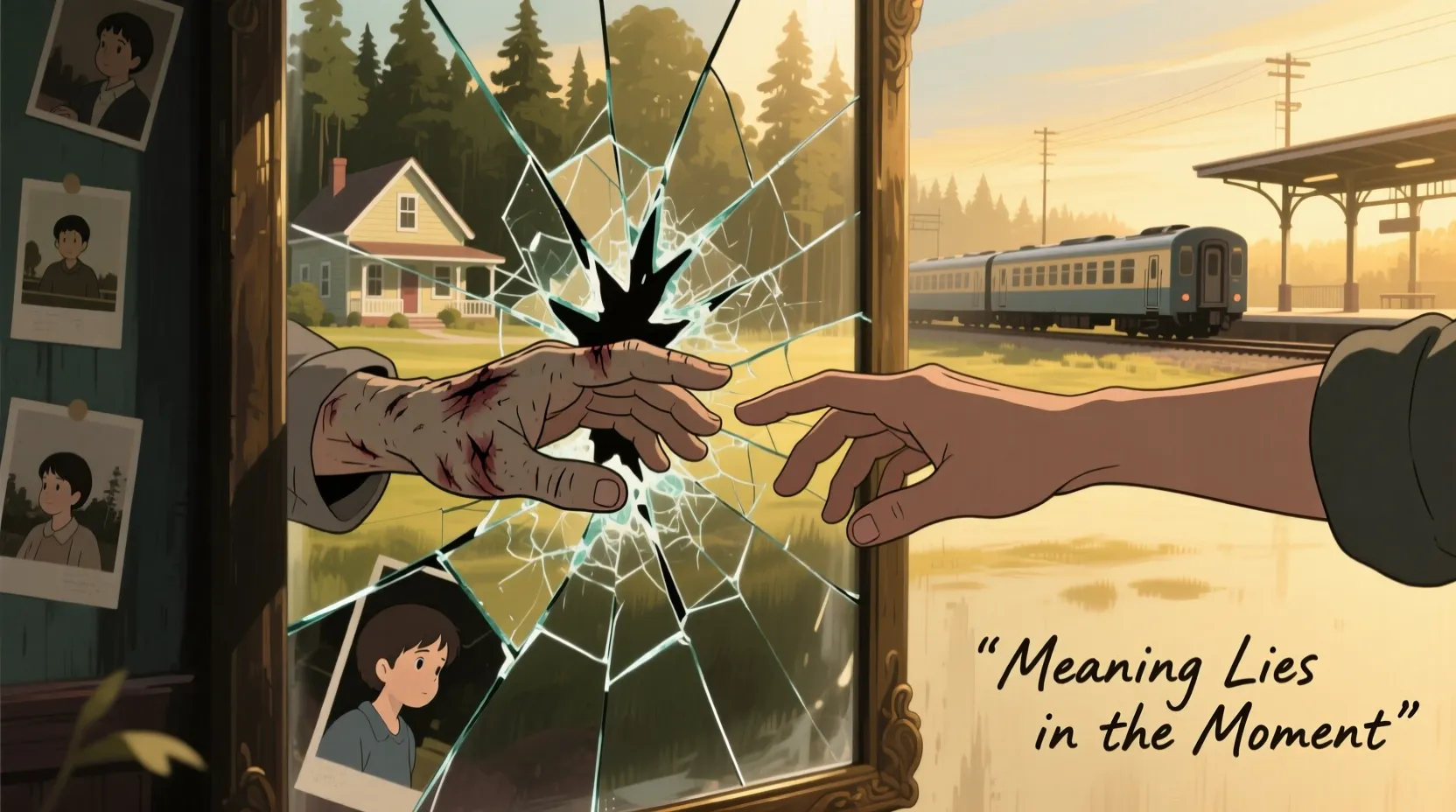
It’s a way to grasp the deeper message or main idea behind the story, the lesson that connects all the events and characters.
Quick Answer: “Theme” in a story means the underlying message, lesson, or big idea the author wants to convey. It’s a friendly and insightful way to understand the meaning behind a story.
What Does Theme Mean in Text?
In simple words, the theme of a story is the central idea or main message.
It’s not just what happens in the plot, but what the story is really about on a deeper level.
Themes can be love, friendship, courage, betrayal, or growing up.
Example:
In “Cinderella,” the theme is kindness pays off.
In short: Theme = Central Message = The main idea the story teaches.
Where Is Theme Commonly Used?
You’ll see “theme” mentioned in:
📚 School Assignments Teachers often ask for the theme of a story or poem.
📱 Texting / Social Media When discussing books, movies, or shows with friends.
🎬 Movie Reviews Critics talk about themes like love, revenge, or friendship.
🖊️ Creative Writing Authors plan their stories around a theme.
Tone: Mostly casual, educational, or social-media friendly. Not typically used in formal business communication.
Examples of Theme in Conversation
A: “I just finished that book you recommended.”
B: “Nice! What’s the theme?”
A: “The theme is about never giving up, even when things get tough.”
A: “I watched the new movie last night.”
B: “Cool! Did it have a clear theme?”
A: “Yeah, the theme was friendship and loyalty.”
A: “Do you know the theme of this story?”
B: “It’s all about courage and standing up for yourself 💪”
A: “Why do we even need to find a theme?”
B: “It helps you understand the deeper message without just focusing on events.”
When to Use and When Not to Use Theme
✅ When to Use:
- Discussing books, movies, or TV shows
- Helping friends understand a story
- In writing assignments or class discussions
- Sharing thoughtful insights in social media threads
❌ When Not to Use:
- Professional work emails
- Urgent messages
- Casual chatting unrelated to stories or lessons
Comparison Table:
| Context | Example Phrase | Why It Works |
|---|---|---|
| Friend Chat | “The theme is kindness ❤️” | Casual & friendly |
| Work Chat | “The main idea of the report is…” | Polite & professional |
| Classroom | “The theme of the poem is freedom” | Educational & clear |
| Movie Review | “The theme revolves around trust” | Insightful & analytical |
Similar Words or Alternatives
| Slang / Term | Meaning | When to Use |
|---|---|---|
| Moral | Lesson learned | Stories, fables |
| Message | Central idea | Casual conversation, social media |
| Main Idea | Primary point | Educational, classroom |
| Underlying Idea | Hidden meaning | Books, movies, or shows |
FAQs About Theme
Q: How is a theme different from the plot?
A: Plot is what happens; theme is why it matters.
Q: Can a story have more than one theme?
A: Yes! Many stories explore multiple ideas like love, friendship, and courage together.
Q: How do I identify a theme?
A: Look for repeated ideas, lessons characters learn, or the author’s message.
Q: Is theme only in books?
A: No, movies, songs, TV shows, and even video games have themes.
Q: Can I use theme in texting?
A: Yes, when discussing media, books, or deep ideas with friends.
Conclusion
Understanding the theme in a story helps you connect with the story on a deeper level, whether in books, movies, or casual chats.
It’s all about uncovering the main message or lesson that the author wants to share.
Next time someone asks about the theme, you’ll confidently spot it and maybe even impress your friends!

Stuck on what to say? ReplyResponses.com gives you clever, funny, and savage comebacks for every moment — because silence isn’t golden when you can drop a perfect reply!