Introduction
You’re scrolling through your phone, maybe replying to a message or watching a short sports clip, when someone comments, “i think i tore my meniscus.” Instantly, your brain goes to one question: what would that even look like from the outside? You check your knee. No blood. No cut. But something feels… off.
This confusion is super common, especially because knee injuries are talked about a lot in group chats, gym conversations, and online forums.
So if you’re wondering what does a torn meniscus look like on the outside, this guide explains it clearly—no medical overload, just simple, real-world signs you can actually notice.
Quick Answer:
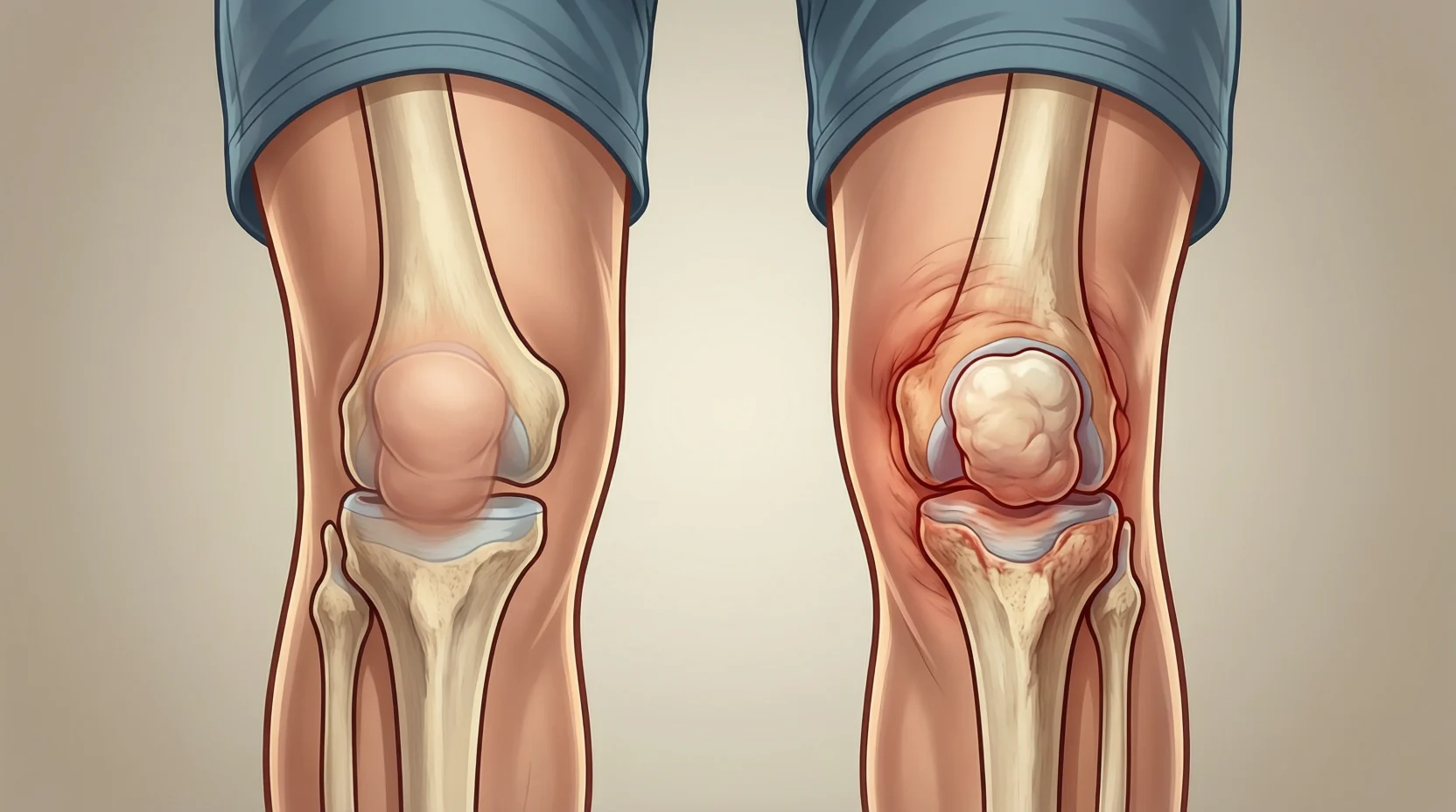
A torn meniscus usually does not show a clear wound, but from the outside it may look swollen, puffy, stiff, or slightly misshapen around the knee.
What Is a Torn Meniscus? (Plain-English Explanation)
The meniscus is a piece of rubbery cartilage inside your knee that acts like a shock absorber between your thigh bone and shin bone.
A torn meniscus happens when this cartilage is damaged—often from:
- twisting the knee suddenly
- sports injuries
- squatting or lifting
- aging and wear over time
Because the meniscus is inside the knee, you won’t usually see dramatic damage on the skin.
Example sentence:
“my knee looked normal, but the swelling and pain turned out to be a torn meniscus.”
Bold summary:
A torn meniscus is an internal knee injury, so outside signs are subtle rather than obvious.
What a Torn Meniscus Looks Like on the Outside
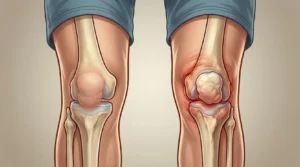
Even though the tear is internal, your knee may still show visible changes.
Common Outside Signs You Can See
- Swelling around the knee
The knee may look bigger than the other one, especially after activity. - Puffiness or fluid buildup
The knee can appear rounder or “full.” - Stiff or tight appearance
The knee may look less flexible or harder to bend fully. - Slight redness or warmth
Not always present, but sometimes noticeable. - Uneven shape compared to the other knee
One knee may look subtly different when standing.
These changes can appear hours or even a day after injury, not always immediately.
What You Usually Will NOT See
This is important for setting expectations.
A torn meniscus usually does not cause:
- open cuts or wounds
- bruising right away
- visible bone changes
- bleeding through the skin
That’s why many people think, “it doesn’t look that bad”—even when it actually is.
Early Signs Before Swelling Gets Obvious
Sometimes the outside changes are mild at first.
Early visual clues may include:
- knee looks normal at rest but swells after walking
- slight puffiness above or below the kneecap
- pants feel tighter around one knee
- knee looks “off” in photos or mirrors
These subtle changes often show up along with pain or discomfort, not alone.
How a Torn Meniscus Feels (Paired With How It Looks)
Outside appearance alone doesn’t tell the full story.
People with a torn meniscus often feel:
- pain when twisting
- clicking or popping
- knee locking or catching
- weakness or instability
- stiffness after sitting
When you combine how it looks with how it feels, the picture becomes clearer.
Realistic Chat and Conversation Examples
Here’s how people casually talk about it online or in texts:
- “my knee doesn’t look bruised but it’s swollen af”
- “one knee looks bigger than the other”
- “doc said torn meniscus even though it looks fine”
- “it locks up when i walk, looks puffy too”
- “no cut or bruise, just swelling”
- “after the game my knee ballooned”
- “looks normal till i move it”
- “thought it was nothing but turns out meniscus tear”
These reflect real, modern, informal chat language.
When to Be Concerned (And When Not to Panic)
Do Pay Attention If:
- swelling lasts more than a few days
- knee looks bigger after activity
- movement is limited
- pain increases over time
- knee locks or gives out
Don’t Panic If:
- swelling is mild and improving
- discomfort decreases with rest
- no instability or locking
- both knees still look similar
Comparison Table
| situation | what it looks like | what it may mean |
|---|---|---|
| mild puffiness | slightly swollen knee | minor irritation |
| clear swelling | knee visibly larger | possible meniscus tear |
| no swelling | normal appearance | could still be torn |
| redness + heat | inflamed knee | needs medical check |
Injuries Commonly Confused With a Torn Meniscus
People often search what does a torn meniscus look like on the outside because it’s confused with other knee issues.
Common look-alikes include:
- ACL strain – more instability
- knee sprain – swelling but faster recovery
- bursitis – swelling in specific spots
- arthritis flare – stiffness, less sudden injury
- patellar tendon issues – pain below kneecap
A meniscus tear often stands out due to swelling + locking + twisting pain.
Can You Diagnose a Torn Meniscus Just by Looking?
Short answer: no.
From the outside alone:
- you can notice swelling
- you can compare knee size
- you can spot stiffness
But confirmation usually needs:
- physical exam
- movement tests
- MRI imaging
Visual signs help you decide when to get checked, not replace diagnosis.
FAQs About What a Torn Meniscus Looks Like on the Outside
1. Does a torn meniscus always cause swelling?
No, but swelling is very common.
2. Can a torn meniscus look normal from the outside?
Yes. Many tears show little to no visible change.
3. Is bruising common with a meniscus tear?
Not usually.
4. Does swelling appear immediately?
Sometimes it appears hours later.
5. Can one knee look bigger than the other?
Yes, this is a common sign.
6. Does redness mean a meniscus tear?
Not always—redness can come from inflammation.
7. Should I see a doctor even if it looks fine?
Yes, especially if pain or locking continues.
Final Thought
So, what does a torn meniscus look like on the outside? Most of the time, it looks subtly swollen, slightly puffy, or stiff, rather than obviously injured.
There’s usually no cut, no bruise, and no dramatic change which is exactly why it’s often ignored at first.
Paying attention to small visual differences, especially when paired with pain or locking, can help you catch a torn meniscus early and protect your knee long-term.

John Michael is the creative mind behind replyresponses.com, sharing witty, smart, and relatable responses for every situation — helping people text confidently, laugh often, and connect better every day.