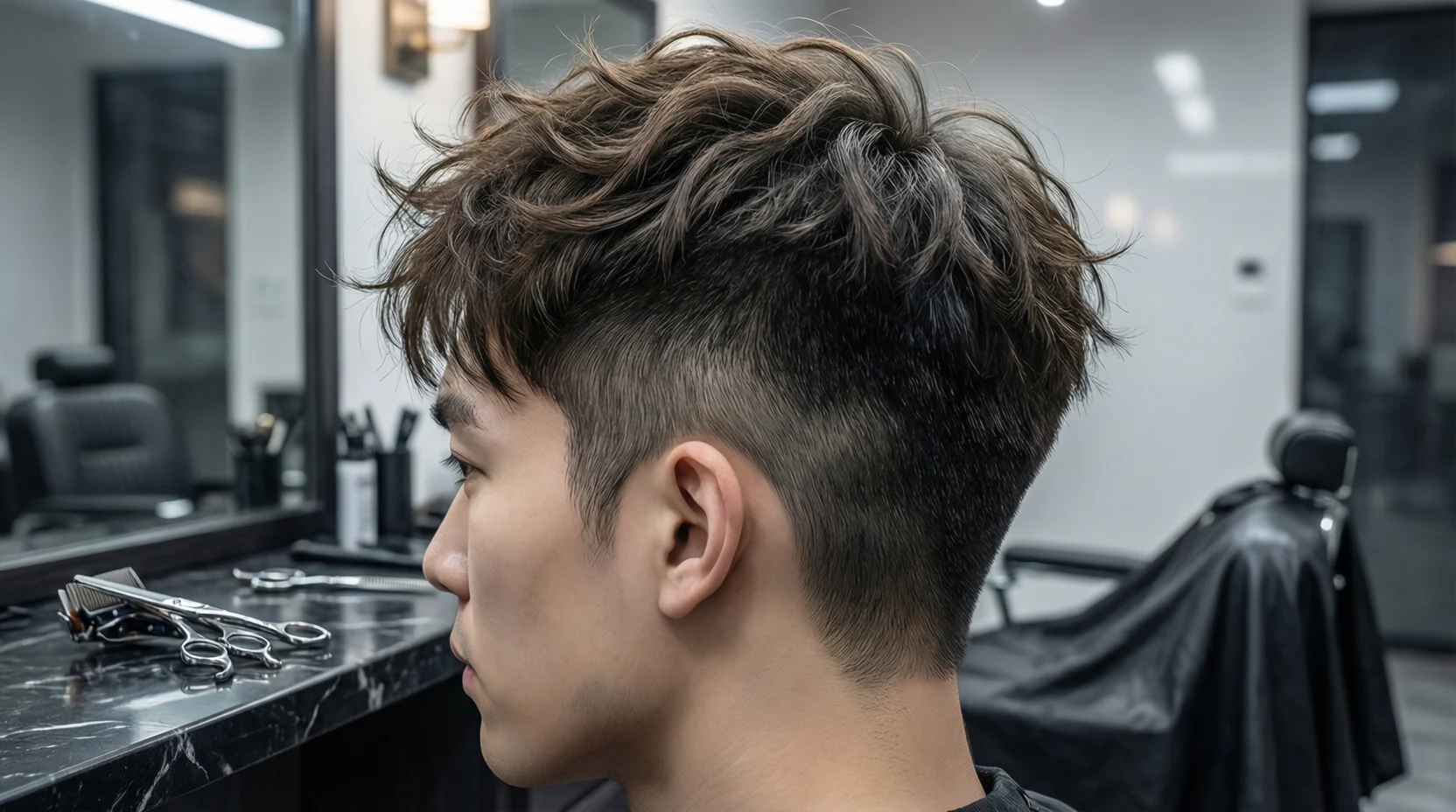
The low taper fade has become one of the most stylish and versatile haircuts for men in recent years. Consequently, understanding its nuances, variations, and maintenance is essential for achieving a sharp and modern look.
Moreover, this haircut is designed to blend hair gradually from short sides into longer top hair, starting just above the ears, which makes it suitable for almost every hair type straight, wavy, or curly. Additionally, the low taper fade haircut pairs exceptionally well with facial hair, enhancing the overall aesthetic.
Furthermore, it is versatile enough to accommodate textured styles, pompadours, or even hair designs. Therefore, whether you are a professional seeking a clean look or a trend conscious individual experimenting with styles, this guide will walk you through variations, styling tips, maintenance, celebrity inspirations, and step-by-step advice to ensure your low taper fade remains fresh, sharp, and perfectly tailored to your face shape and lifestyle.
What Is a Low Taper Fade?
Initially, the low taper fade is a haircut where the hair gradually shortens along the sides and back, creating a seamless transition from longer hair on top to very short hair near the neckline and ears.
Consequently, it offers a subtle yet polished appearance, unlike high or mid fades that are more dramatic. Moreover, this haircut is ideal for men seeking a professional, casual, or versatile style. Additionally, its low placement makes it suitable for almost all face shapes, including oval, round, square, and oblong.
Furthermore, the low taper fade is adaptable to various textures, including straight, wavy, and curly hair, which increases its popularity. Therefore, understanding the core concept of the low taper fade ensures you can communicate effectively with your barber or stylist and choose the right style for your individual hair type and lifestyle.
Different Variations of Low Taper Fade
First of all, there are multiple variations of the low taper fade, each suited to different preferences and occasions.
- Classic low taper fade: Smooth and simple, perfect for everyday wear.
- Textured low taper fade: Adds volume and style on top, enhancing modern looks.
- Low taper fade with designs: Creative patterns shaved into the fade for a unique appearance.
- Low taper fade with beard integration: Combines facial hair for a cohesive style.
- Low taper fade with fringe or pompadour: Adds personality while maintaining a sharp fade.
Consequently, exploring these options allows men to match their haircut with lifestyle, fashion trends, and personal aesthetic preferences. Moreover, choosing the right variation ensures the haircut complements face shape, hair texture, and overall grooming routine.
Choosing the Right Low Taper Fade
Furthermore, selecting the perfect low taper fade requires considering face shape, hair type, and personal style.
- Face shape: Round faces benefit from fades that add height on top, while square faces look sharp with clean edges.
- Hair texture: Straight hair blends seamlessly; wavy hair offers natural volume; curly hair may require careful styling.
- Lifestyle: Professionals may prefer classic low taper fades, whereas trendsetters might explore textured or design variations.
Therefore, understanding these factors ensures a balanced and flattering look that suits both personal style and daily maintenance requirements. Additionally, consulting a skilled barber can help refine the haircut for your unique facial features.
Step-by-Step Low Taper Fade Guide
Initially, preparing for a low taper fade involves understanding the cut and communicating clearly with your barber.
- Preparation: Wash and detangle hair; discuss desired fade length and top styling.
- Clippers and Guards: Use appropriate clipper settings for gradual tapering.
- Fade Points: Start low near the ears and gradually blend into longer top hair.
- Blending: Ensure smooth transition using clippers or scissors over comb.
- Finishing Touches: Line up edges, clean neckline, and adjust top hair for style.
Consequently, following these steps ensures a professional-looking, well-blended low taper fade that remains sharp and modern. Moreover, effective communication with the barber guarantees the final result matches expectations.
Styling and Maintenance Tips
Moreover, maintaining a low taper fade requires consistent care and appropriate products.
- Daily hair care: Shampoo and condition regularly to maintain hair health.
- Styling products: Pomade, wax, or gel can help achieve textured, sleek, or spiked looks.
- Tools: Comb, brush, or fingers for shaping hair according to style preference.
- Barber visits: Regular trims every 3–4 weeks keep the fade sharp and clean.
Therefore, following these tips ensures your low taper fade remains polished, stylish, and easy to manage, no matter your hair type or lifestyle. Additionally, avoiding excessive product use prevents build-up and keeps hair healthy.
Celebrity Inspirations
Furthermore, celebrities have popularized low taper fades, providing excellent style inspiration.
- Athletes: NBA players like LeBron James often sport clean low taper fades.
- Musicians: Hip-hop artists favor textured or design-integrated low fades.
- Actors: Hollywood stars use the classic low taper fade for professional and casual appearances.
Consequently, observing celebrity styles can help adapt trends to your personal look, combining modern aesthetics with practical grooming. Moreover, it encourages experimentation with top hair textures, beard integration, or creative designs.
Common Mistakes to Avoid
Equally important, avoiding mistakes ensures your fade looks professional.
- Uneven tapering or blending
- Choosing wrong fade placement for face shape
- Overusing styling products
- Neglecting maintenance between barber visits
Therefore, being aware of common pitfalls guarantees that your low taper fade remains sharp and visually appealing. Moreover, understanding these mistakes helps in communicating clearly with your barber or stylist.
DIY vs Professional Haircuts
Additionally, many men wonder whether a low taper fade can be done at home.
- DIY: Possible with clippers, guards, and patience, but may result in uneven blending.
- Professional barber: Ensures precise fade, clean lines, and tailored style.
Consequently, while DIY options exist, visiting a professional is usually recommended for best results and longevity of the fade. Moreover, combining professional haircuts with home touch-ups helps maintain sharpness between visits.
FAQs About Low Taper Fade
Q1: Is the low taper fade suitable for curly hair?
- Yes, but proper styling and maintenance are required.
Q2: How long does a low taper fade last?
- Typically 3–4 weeks before it starts to lose sharpness.
Q3: Can it be combined with other hairstyles?
- Absolutely, including textured tops, pompadours, and hair designs.
Q4: How to maintain fade sharpness between barber visits?
- Use trimmers lightly and apply appropriate styling products.
Q5: Does face shape affect the low taper fade style?
- Yes, the fade can be tailored to complement different face shapes effectively.
Final Thoughts
In conclusion, the low taper fade is a versatile, stylish, and modern haircut suitable for almost every hair type and face shape.
Nevertheless, achieving the perfect look requires choosing the right variation, maintaining it with proper care, and consulting a skilled barber.
Additionally, observing celebrity inspirations, using suitable styling products, and avoiding common mistakes ensure the fade remains sharp and attractive.
Ultimately, embracing the low taper fade not only enhances your appearance but also promotes confidence, professionalism, and personal style.
Consequently, men can enjoy a trendy, easy-to-maintain haircut that works for casual, professional, and fashionable occasions alike.

John Michael is the creative mind behind replyresponses.com, sharing witty, smart, and relatable responses for every situation — helping people text confidently, laugh often, and connect better every day.