The first time I heard someone say “DNA” in a conversation, I was watching a TV show about crime investigations.
A character said, “We found their DNA at the scene,” and I thought, “Wait… what exactly is DNA?” At first, it sounded complicated, like something only scientists could understand.
But soon, I realized that DNA is actually part of all of us it’s the instruction manual that makes our bodies work, determines our traits, and even connects us to our families.
Once you understand what DNA stands for and how it functions, it becomes fascinating rather than intimidating, because it’s literally the blueprint of life.
Quick Answer: DNA stands for “Deoxyribonucleic Acid,” and it is the molecule that carries the genetic instructions for growth, development, and functioning in living organisms.
What DNA Stands For and Means
Full Form:
- DNA = Deoxyribonucleic Acid
Plain-English Explanation:
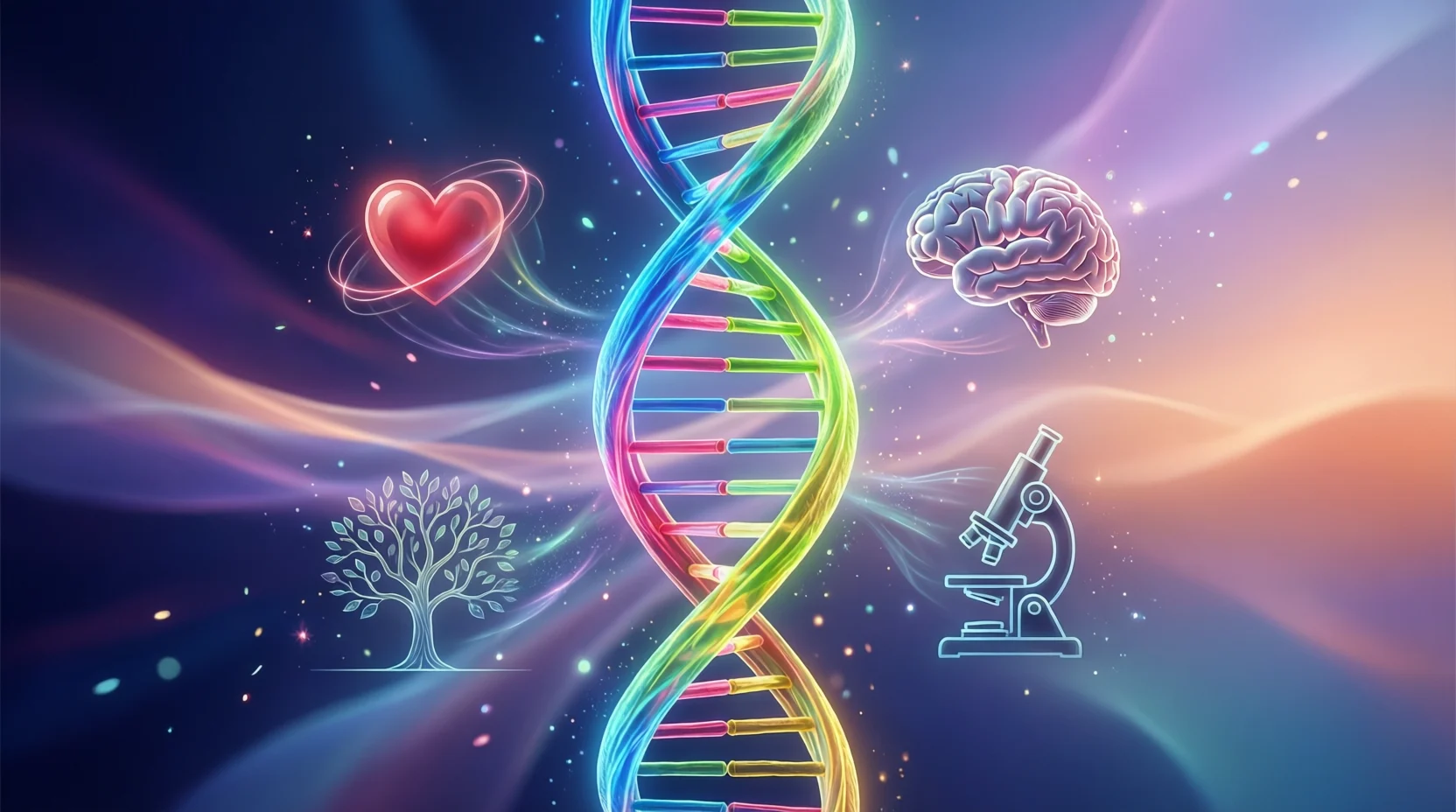
DNA is a long molecule found in every cell of your body that carries the instructions your body needs to grow, develop, and function. Think of it as a biological blueprint that tells your body how to build itself and how to operate.
Why People Talk About DNA:
- Genetics: Explains why you might have your parents’ hair color or eye color.
- Health: DNA tests can identify genetic conditions or risks.
- Identity & Ancestry: DNA can trace your family tree or ethnic background.
- Forensics: DNA helps solve crimes by matching biological samples.
Example Sentence:
- “They did a DNA test to see if we were related, and the results matched perfectly.”
In short: DNA is the molecule that stores genetic instructions, making you uniquely you and guiding how your body develops.
Where DNA Is Important
- Medical Labs: For genetic testing and diagnosing hereditary conditions.
- Research: Scientists study DNA to understand diseases and biology.
- Forensics: Used in crime investigations to identify people.
- Ancestry & Family Tree: DNA testing reveals ethnic origins and relatives.
- Education: Learned in school as part of biology or genetics.
Tone: Neutral and educational in formal contexts, but casual and relatable when talking about family, ancestry, or personal traits.
7 Real-Life Scenarios Related to DNA
- Taking a DNA test to discover ethnic heritage.
- Seeing a doctor recommend DNA screening for a hereditary condition.
- Learning about DNA in school biology class.
- Watching a crime show where DNA evidence solves the case.
- Testing a pet’s DNA to identify breed.
- Comparing DNA results to find long-lost relatives.
- Reading about genetic research in the news.
When DNA Matters and When It Doesn’t
✅ When DNA Is Useful:
- Health risk assessment
- Ancestry and family research
- Solving forensic cases
- Scientific studies and genetic research
❌ When DNA Isn’t Needed:
- Everyday decisions like shopping or cooking
- Non-biological relationships
- Situations where traits are determined by environment, not genetics
Comparison Table:
| Context | DNA Relevance | Why It Works / Doesn’t Work |
|---|---|---|
| Genetic testing | Highly relevant | Shows inherited traits or disease risk |
| Family ancestry | Useful | Connects you to relatives |
| Daily diet | Not directly relevant | Nutrition depends on food choices |
| School homework | Sometimes relevant | Learning conceptually about genetics |
Similar Terms / Alternatives
| Term | Meaning | Notes |
|---|---|---|
| RNA | Ribonucleic Acid | Works with DNA to make proteins |
| Genome | Complete set of DNA | All genetic material in an organism |
| Chromosome | DNA packaged in a thread-like structure | Humans have 23 pairs |
| Gene | Segment of DNA | Determines specific traits |
| Genetics | Study of DNA | Explains inheritance and traits |
FAQs About DNA
1. What does DNA stand for?
DNA = Deoxyribonucleic Acid.
2. Why is DNA important?
It carries genetic instructions essential for growth, development, and health.
3. Can DNA tell ancestry?
Yes, DNA testing can reveal ethnic origins and relatives.
4. Is DNA only in humans?
No, every living organism has DNA, including plants and animals.
5. Can DNA be changed?
Generally, your DNA is fixed, but research like gene therapy can modify it.
6. How is DNA tested?
Through blood, saliva, or cheek swab samples.
7. Can DNA identify diseases?
Yes, it can detect inherited disorders and certain health risks.
Final Thought
DNA is the blueprint of life, carrying the instructions that make each person unique. From determining physical traits to influencing health, ancestry, and identity, DNA plays a central role in biology and daily life.
Understanding it not only helps us appreciate the complexity of our bodies but also empowers us to make informed decisions about health, family, and science.

Welcome to ReplyResponses.com, your go-to hub for quick, witty, and meaningful replies! Whether you’re looking for clever comebacks, thoughtful answers, or just some fun conversation starters, we’ve got you covered. Our platform makes responding easier, smarter, and way more enjoyable, helping you connect, engage, and impress effortlessly.