The first time many people hear the word shingles, it’s often in a random place—maybe a family WhatsApp group, a Facebook post, or a quick message from a friend saying, “ugh, my uncle has shingles.” You pause, reread it, and wonder, what even is that?
Then your brain jumps straight to the big question: what does shingles look like? Is it a rash? Spots? Something scary? Since health terms spread fast online, especially in chats and social media conversations, it’s normal to feel confused.
This article breaks it all down in simple language, so you know exactly what shingles looks like, how it starts, and when it’s time to take it seriously.
Quick Answer:
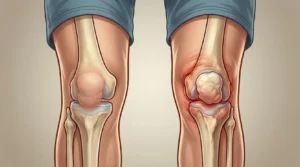
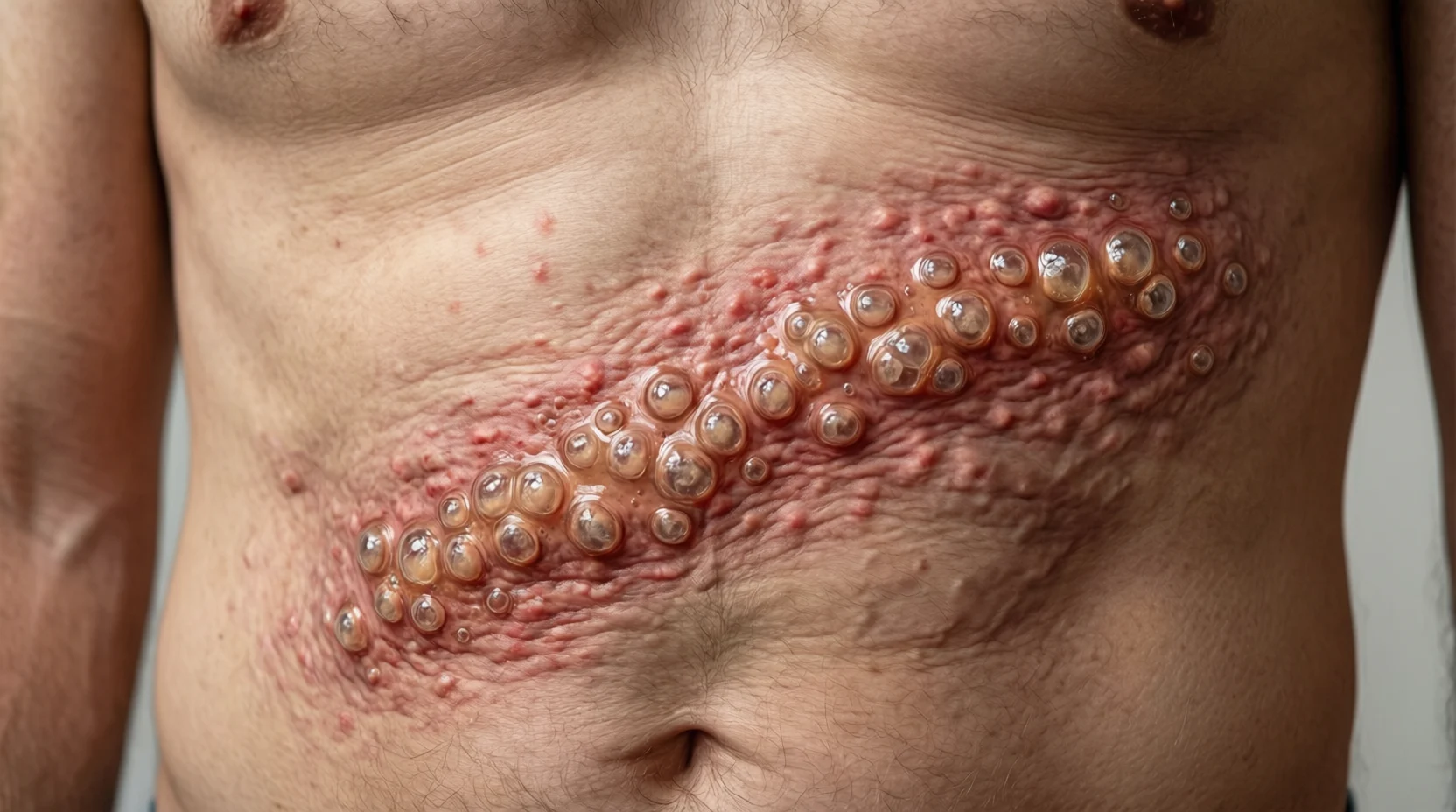
Shingles usually looks like a painful red rash with clusters of fluid-filled blisters that appear on one side of the body.
What Does Shingles Look Like? (Plain-English Explanation)
Shingles is not slang, not a texting abbreviation, and not a short form. It’s a medical condition caused by the same virus that gives you chickenpox.
In simple terms, shingles starts inside your body and shows up on your skin.
Here’s what it typically looks like, step by step:
- first, the skin may feel tingly, itchy, or burning
- then, a red patch appears
- soon after, small blisters form in clusters
- the blisters fill with fluid and may break open
- finally, they dry out and scab over
The rash usually appears in a stripe or band shape and almost always stays on one side of the body, like the left chest, right back, or one side of the face.
Example sentence:
“i thought it was a bug bite at first, but then the shingles rash spread in a line and started hurting.”
Bold summary:
Shingles looks like a one-sided red rash with painful, fluid-filled blisters that follow a line on the body.
Where on the Body Does Shingles Appear?
Shingles can show up in different places, but some areas are more common than others.
Most common locations include:
- chest or rib area
- back or spine area
- waist or stomach
- neck or shoulder
- face or around one eye (more serious)
The rash follows nerve paths, which is why it often looks like a straight line or curved band instead of random spots.
Tone note:
When people talk about shingles online or in messages, the tone is usually serious but casual, especially in texts, comments, or DMs.
Early Signs: What Shingles Looks Like Before the Rash
Before you even see shingles, you may feel it.
Early signs include:
- burning or stinging skin
- sensitivity to touch
- itching without a rash
- mild fever or headache
- feeling tired or run-down
This stage can last 1–3 days, which is why people often mistake shingles for a muscle strain or allergy at first.
Realistic Text and Chat Conversation Examples
Here are some realistic, modern chat-style examples you might see online or in messages:
- “anyone know what shingles looks like? my mom has this painful rash on one side”
- “i thought it was acne but turns out it’s shingles 😬”
- “the blisters showed up in a line, doctor said it’s shingles”
- “shingles isn’t contagious like covid, but it looks nasty”
- “at first it was just itching, then boom… shingles rash”
- “if the rash hurts a lot and is only on one side, get it checked”
- “shingles looks like tiny blisters grouped together”
- “never ignore face rashes, shingles near the eye is serious”
All of these reflect natural texting culture and how people casually talk about health online.
When to Use and When Not to Ignore Shingles Symptoms
You don’t really “use” shingles like slang, but knowing when to act matters a lot.
Do:
- see a doctor if the rash is painful
- act fast (within 72 hours is best)
- take antivirals if prescribed
- keep the rash clean and dry
- rest and hydrate
Don’t:
- ignore burning or tingling pain
- assume it’s just a rash or allergy
- scratch or pop blisters
- delay care if it’s on your face
- self-diagnose for too long
Small Comparison Table
| context | example phrase | why it works / doesn’t |
|---|---|---|
| early symptoms | “it burns before the rash showed up” | matches shingles pattern |
| random rash | “it doesn’t hurt at all” | less likely shingles |
| one-sided rash | “only on my right side” | common shingles sign |
| full-body rash | “it’s everywhere” | usually not shingles |
Conditions People Confuse With Shingles
Many people google what does shingles look like because it’s often confused with other skin issues.
Here are common look-alikes:
- eczema – itchy but usually not painful
- allergic rash – spreads randomly, not in a line
- chickenpox – affects whole body, not one side
- bug bites – smaller and not nerve-related
- herpes simplex – localized but different pattern
Shingles stands out because of its pain + one-sided blister pattern.
Who Usually Gets Shingles?
Shingles can happen to anyone who has had chickenpox, but it’s more common in:
- adults over 50
- people under stress
- those with weak immune systems
- people with chronic illness
Even younger adults can get shingles, especially during intense stress or burnout.
FAQs About What Shingles Looks Like
1. Does shingles always have blisters?
Yes, most cases develop fluid-filled blisters after the red rash stage.
2. Can shingles look like pimples?
Early on, yes. But pimples don’t usually hurt or follow a nerve line.
3. Is shingles itchy or painful?
It can be both, but pain is the key sign.
4. Can shingles appear on the face?
Yes, and it’s more serious—especially near the eyes.
5. Does shingles spread by touch?
You can’t catch shingles itself, but someone can get chickenpox from open blisters.
6. How long does shingles last?
The rash usually lasts 2–4 weeks, but pain may last longer.
7. Can shingles leave scars?
Sometimes, especially if blisters are scratched or infected.
Final Thought
So, what does shingles look like? It’s more than just a rash. It’s a painful, one-sided skin outbreak with clustered blisters that follow nerve paths and often come with burning or tingling pain.
Because people often talk about it casually in texts or social media, it’s easy to underestimate how serious it can be.
Knowing what shingles looks like helps you recognize it early, get treatment faster, and avoid complications. When it comes to shingles, paying attention early really makes a difference.

Welcome to ReplyResponses.com, your go-to hub for quick, witty, and meaningful replies! Whether you’re looking for clever comebacks, thoughtful answers, or just some fun conversation starters, we’ve got you covered. Our platform makes responding easier, smarter, and way more enjoyable, helping you connect, engage, and impress effortlessly.